
Table of Contents
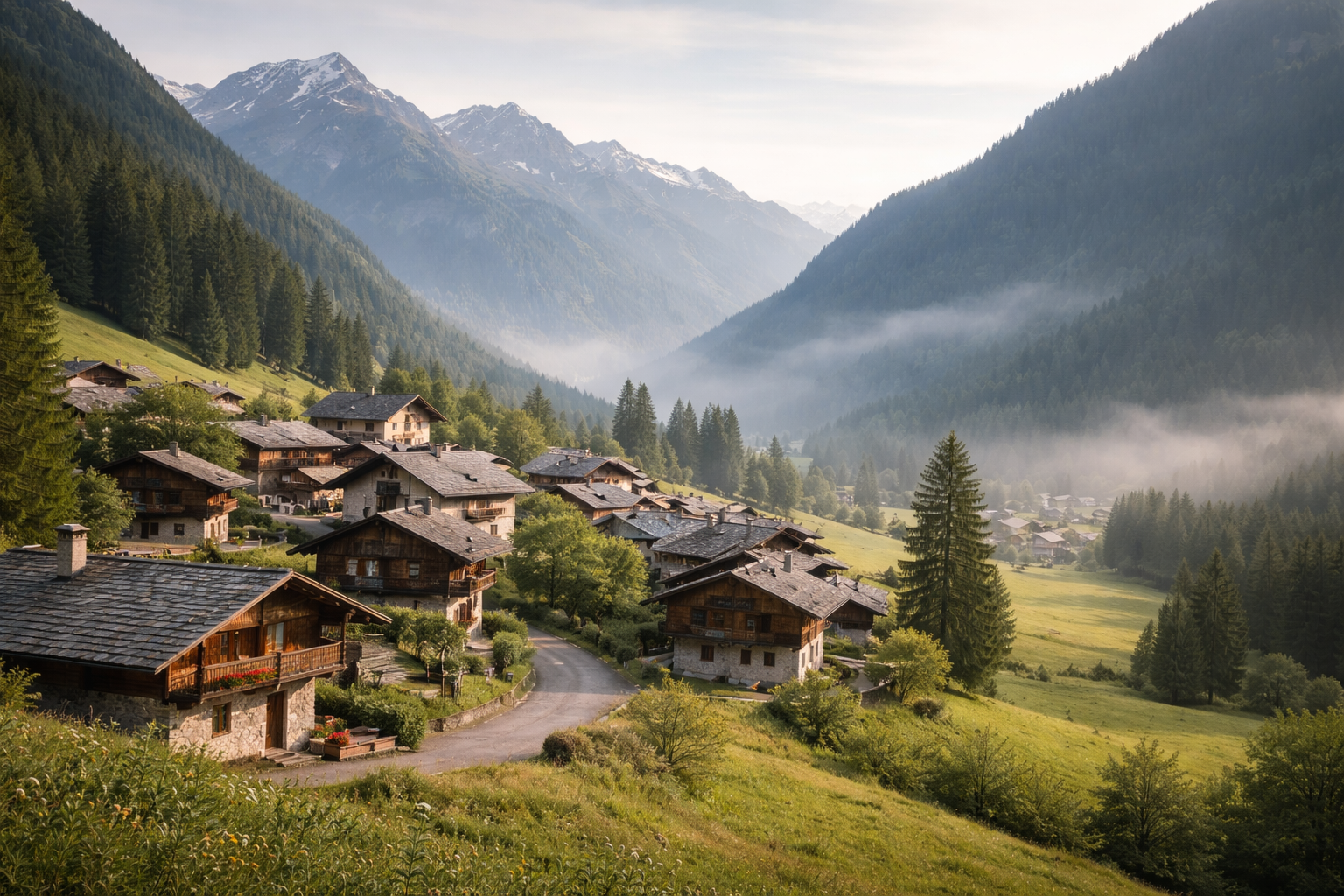
In the higher elevations of the Alps, there are places where quiet is not an amenity but a condition of life. The best quiet alpine villages in Europe exist beyond resort culture and high traffic routes. They are shaped by geography, climate, and centuries of self contained living.
These villages attract travelers who value atmosphere over activity and depth over density. They offer a sense of calm that feels grounded rather than curated. For those seeking a mental reset through landscape and tradition, these destinations provide clarity without isolation.
Why the Best Quiet Alpine Villages in Europe Feel Different
What separates the best quiet alpine villages in Europe from popular mountain towns is scale and intention. These villages were built for endurance, not entertainment. Streets remain narrow. Buildings stay low and proportional. Noise travels farther at altitude, so daily life adapts by becoming quieter.
Tourism exists, but it does not dominate. The result is a rhythm that feels lived in rather than staged. Silence becomes part of the experience rather than something to escape to.
Cultural and Natural Forces That Shape Alpine Villages
Alpine life has always been seasonal. Long winters created strong local communities. Short summers demanded efficiency and respect for the land. These realities shaped architecture, food, and social customs that still define village life today.
Nature remains the primary influence. Weather dictates schedules. Light defines days. This dependency creates a balance that many travelers feel immediately and deeply.
Best Time to Visit Quiet Alpine Villages
Late spring through early autumn offers the most accessible conditions. Trails reopen, villages regain their full rhythm, and landscapes feel expansive without crowding.
Early autumn stands out for its restraint. Colors soften, temperatures cool, and tourism slows. Winter brings profound quiet but requires comfort with limited services and access.
5 of the Best Quiet Alpine Villages in Europe
Chamois, Italy
Aosta Valley
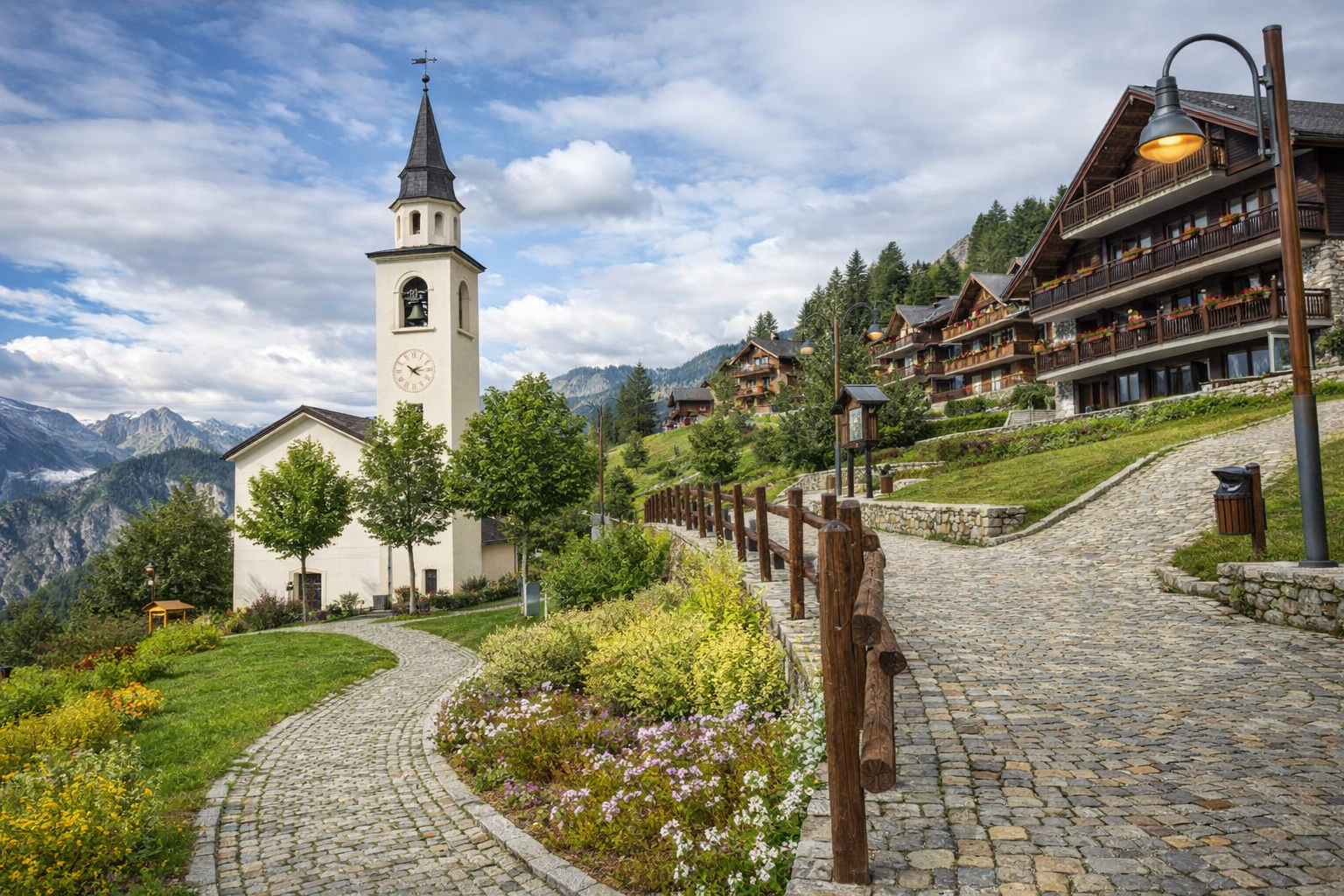
Chamois is accessible only by cable car, eliminating road noise entirely. Meadows replace traffic. Stone houses open toward the sky. Time feels slower here, shaped by walking and weather rather than schedules.
Kartitsch, Austria
East Tyrol
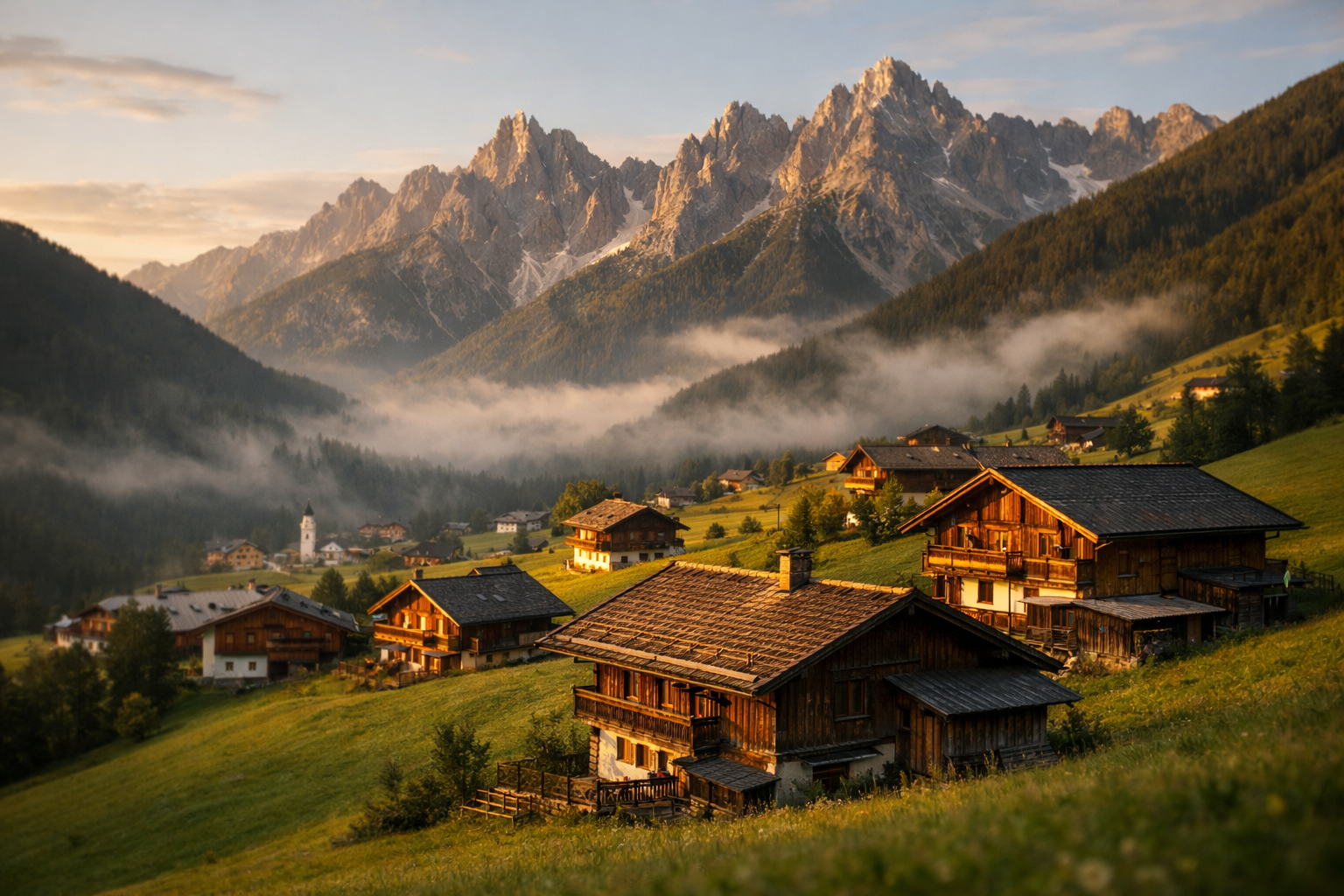
Kartitsch emphasizes walking culture and winter stillness. Set along the Carnic Alps, the village balances openness with intimacy. Life moves deliberately, guided by light, terrain, and tradition.
Saint Véran, France
Queyras Regional Park
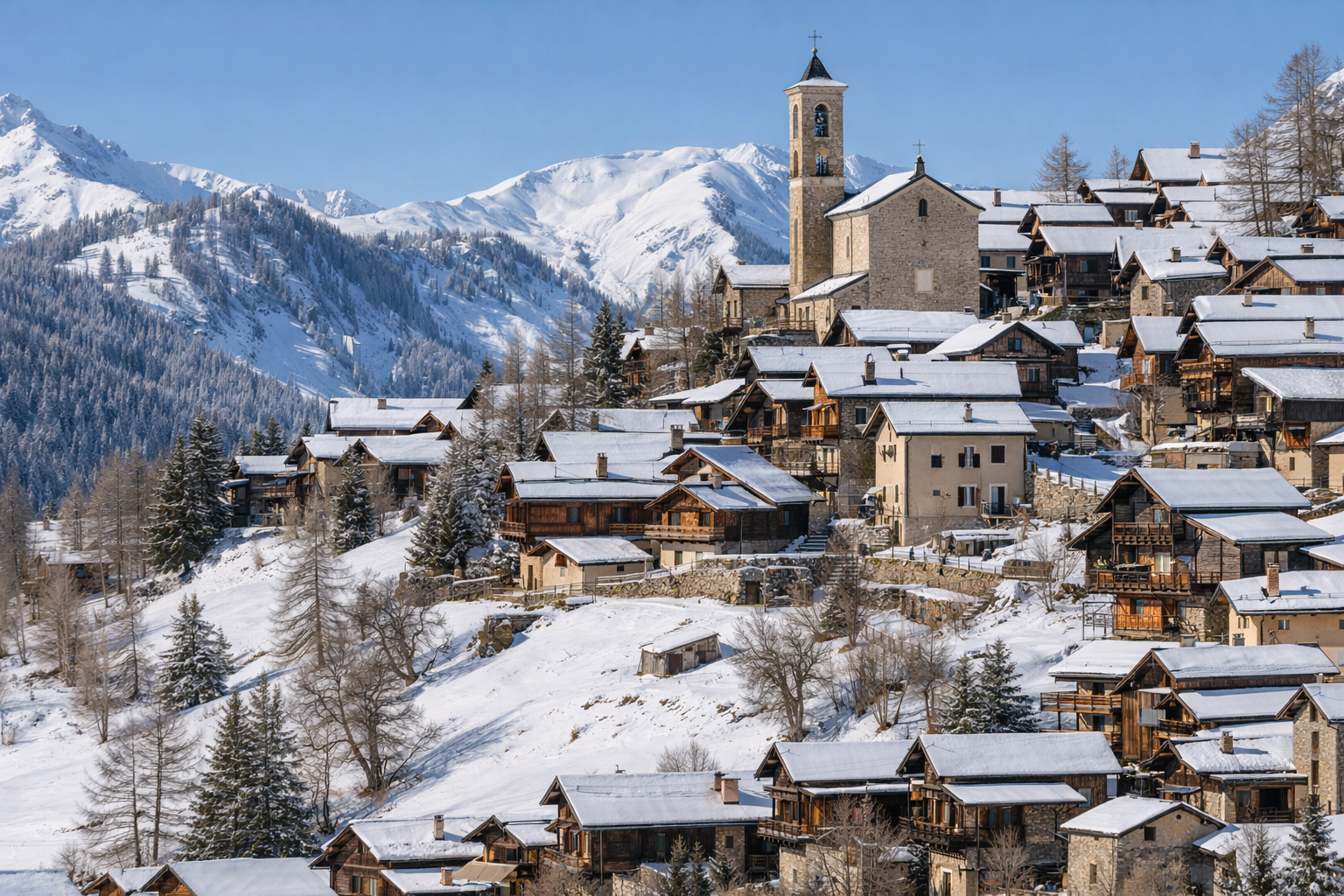
At one of Europe’s highest inhabited elevations, Saint Véran feels suspended between peaks. Wooden chalets with carved facades reflect centuries of adaptation. Silence here feels expansive and grounding.
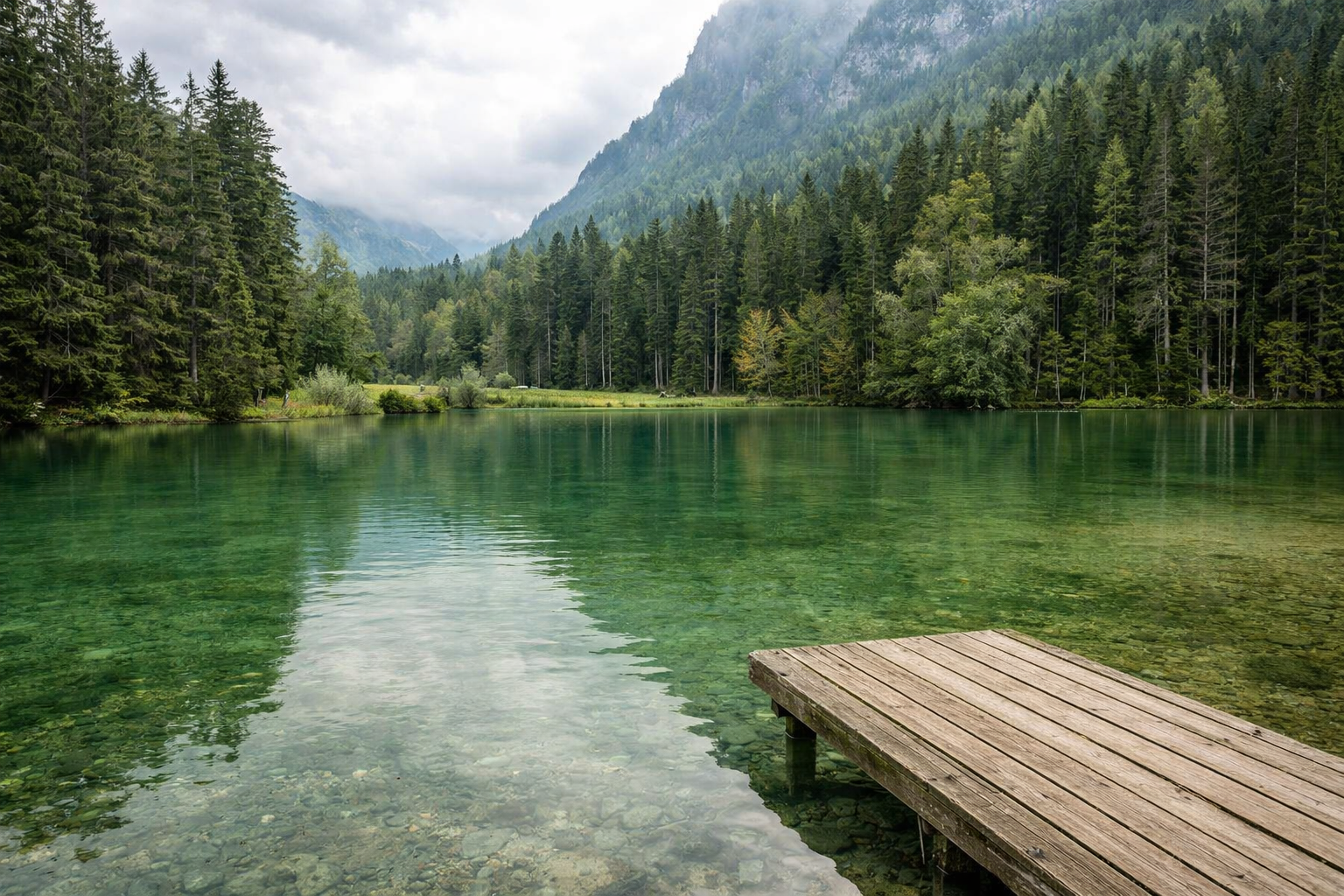
Jezersko, Slovenia
Kamnik Savinja Alps
Jezersko blends environmental preservation with alpine living. Alpine lakes, open valleys, and sustainable practices shape a village identity rooted in balance and restraint.
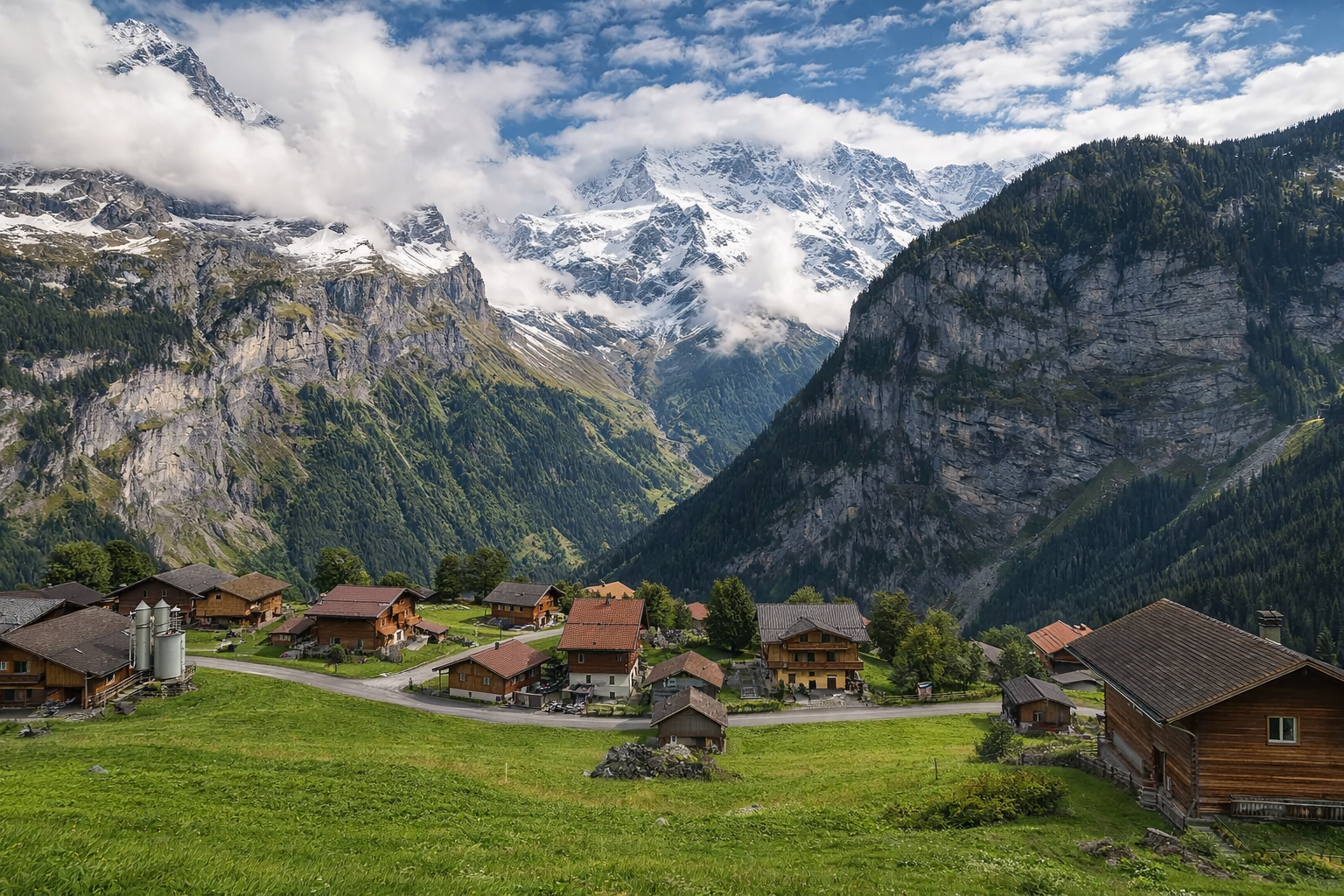
Gimmelwald, Switzerland
Bernese Oberland
Gimmelwald remains intentionally small. There are no large hotels or shopping streets. Chalets sit quietly above the Lauterbrunnen Valley, preserving a sense of stillness that feels increasingly rare.
Experiences Defined by Stillness
In the best quiet alpine villages in Europe, meaningful experiences are subtle. Morning light on peaks. Church bells echoing across valleys. Trails beginning at the edge of the village rather than a parking lot.
These moments are not planned. They emerge naturally.
Hidden Details That Add Character
Unmanned farm stalls, communal ovens, and handwritten trail signs reveal how these villages function beyond tourism. These details reinforce authenticity and explain why calm here feels earned rather than designed.
Food, Cafés, and Local Culture
Alpine cuisine is practical and regional. Expect mountain cheeses, preserved meats, seasonal vegetables, and bread baked with care. Cafés serve as gathering points rather than productivity spaces.
Meals are unhurried. Silence is respected.
Who These Villages Are Best Suited For
The best quiet alpine villages in Europe are ideal for travelers seeking mental clarity, aesthetic environments, and a slower pace. They appeal to creatives, couples, solo travelers, and anyone overstimulated by dense itineraries.
Those seeking nightlife or high energy attractions may find these destinations too restrained.
Visual Planning Without Overplanning
Because these villages are best understood visually, tools like Desti at www.desti.site can help during early exploration. A photo based approach allows travelers to sense alignment with a place before committing to logistics.
Conclusion: Choosing Stillness in the Alps
The best quiet alpine villages in Europe are not retreats from life. They are reminders of a rhythm shaped by land, tradition, and restraint.
Choosing them is not about doing less. It is about experiencing more clearly.
Leave a Reply