
Table of Contents
Introduction
This Scandinavia travel guide is designed for first time travelers looking for a cooler summer escape. As Southern Europe faces rising temperatures and overtourism, this Scandinavia travel guide explores why the region has emerged as one of Europe’s most appealing summer escapes. Long daylight hours, clean cities, efficient infrastructure, and a deep respect for nature create a travel experience that feels both refreshing and grounded. This Scandinavia travel guide focuses on slow travel, sustainable choices, and visually calm destinations that define modern travel to Scandinavia.
For first timers, Scandinavia offers clarity and ease. Trains replace short haul flights. Nature blends seamlessly into urban life. Sustainability is not a marketing angle here but a lived reality. This guide focuses on understanding the region rather than rushing through it, helping you travel with confidence while keeping your plans flexible.
For travelers who prefer visual inspiration over rigid schedules, planning tools like Desti make it easier to explore Scandinavia at your own pace. By turning destination photos into flexible itineraries, Desti aligns naturally with how this region is meant to be experienced.
Why Scandinavia Feels Different
Scandinavia stands apart because it prioritizes quality of life over spectacle. Cities are designed for people, not crowds. Public spaces are calm, walkable, and visually cohesive. You notice fewer billboards, quieter streets, and a slower pace that encourages observation rather than consumption.
This makes Scandinavia one of the most compelling coolcation destinations in Europe. Summer temperatures typically range from 15 to 22 degrees Celsius, creating ideal conditions for exploring on foot, cycling, or simply sitting by the water. Instead of escaping the heat indoors, you spend more time outside, which fundamentally changes how the trip feels. For many visitors, this is exactly why a thoughtfully planned Scandinavia travel guide is essential for understanding how the region truly works.
Cultural and Natural Context
Scandinavian culture is deeply shaped by geography and climate. Long winters fostered values of efficiency, minimalism, and respect for shared resources. Nature is not something you visit occasionally but something that defines daily life.
In Norway, fjords carve dramatic corridors through the landscape. In Sweden, forests and lakes dominate the interior. Denmark offers a softer geography, defined by coastlines, islands, and human scale cities. Across the region, access to nature is protected by law, reinforcing a collective responsibility to preserve it.
This context explains why sustainable travel in Scandinavia feels intuitive, especially for travelers using a well researched Scandinavia travel guide. Renewable energy, electric transportation, and seasonal food systems are already integrated into everyday life.
Best Time to Visit Scandinavia
The best time to visit Scandinavia is between June and early September. This period offers mild weather, long daylight hours, and full access to outdoor experiences.
June and July bring near endless daylight in northern areas, ideal for hiking, kayaking, and coastal exploration. August is slightly cooler and less busy, making it particularly appealing for travelers who value quiet over festivals. September introduces early autumn colors and fewer visitors, especially in Sweden and Norway.
Summer is widely considered the best time to visit Scandinavia, especially for travelers using this Scandinavia travel guide to plan a cooler, more sustainable European escape.
Highlight Destinations in Scandinavia
Scandinavia’s beauty is understated, shaped by water, light, and restraint rather than spectacle. These destinations stand out not because they are loud or famous, but because they embody the region’s calm, cinematic quality.
Each location in this Scandinavia Travel Guide was chosen for its visual calm, accessibility, and commitment to sustainability.
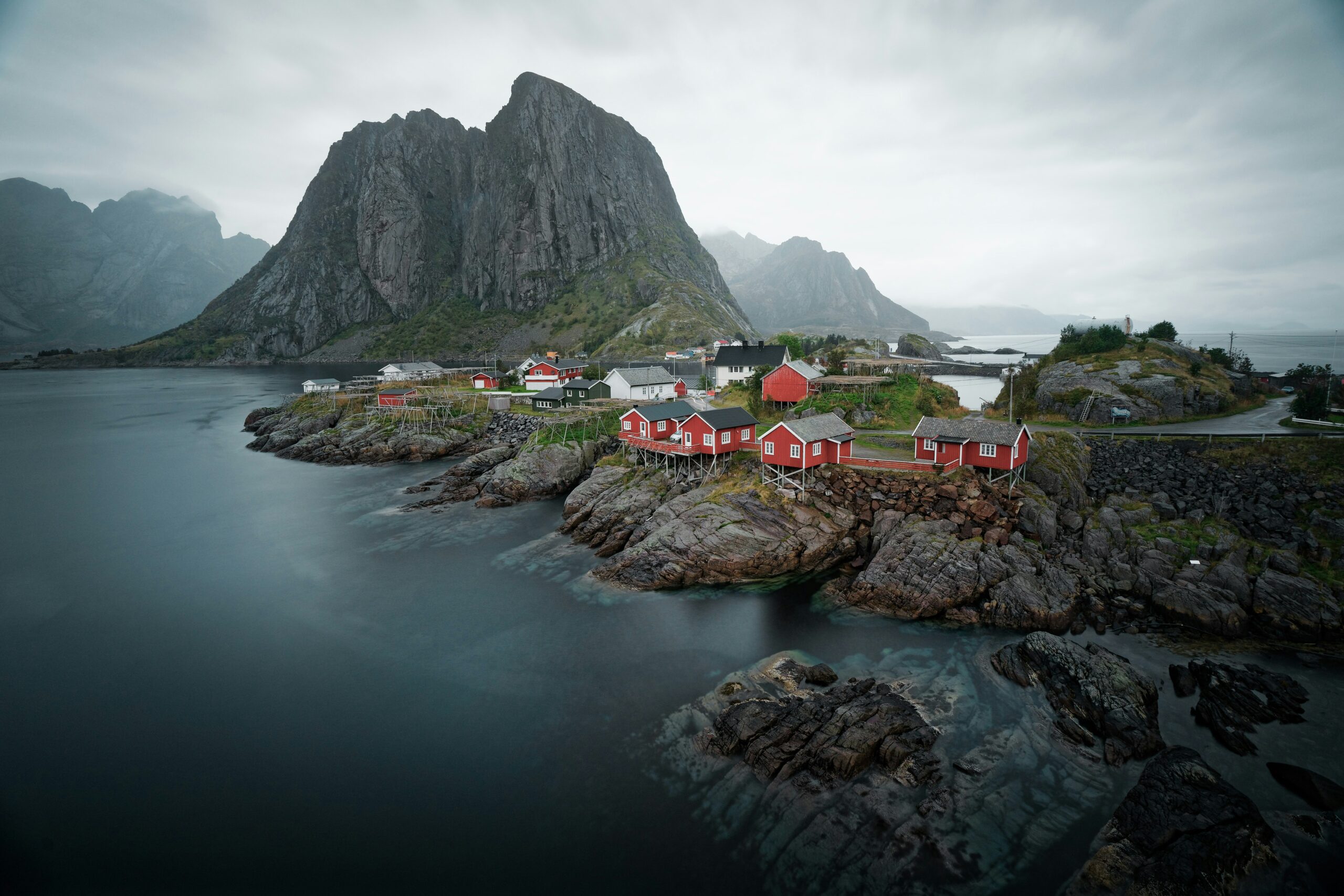
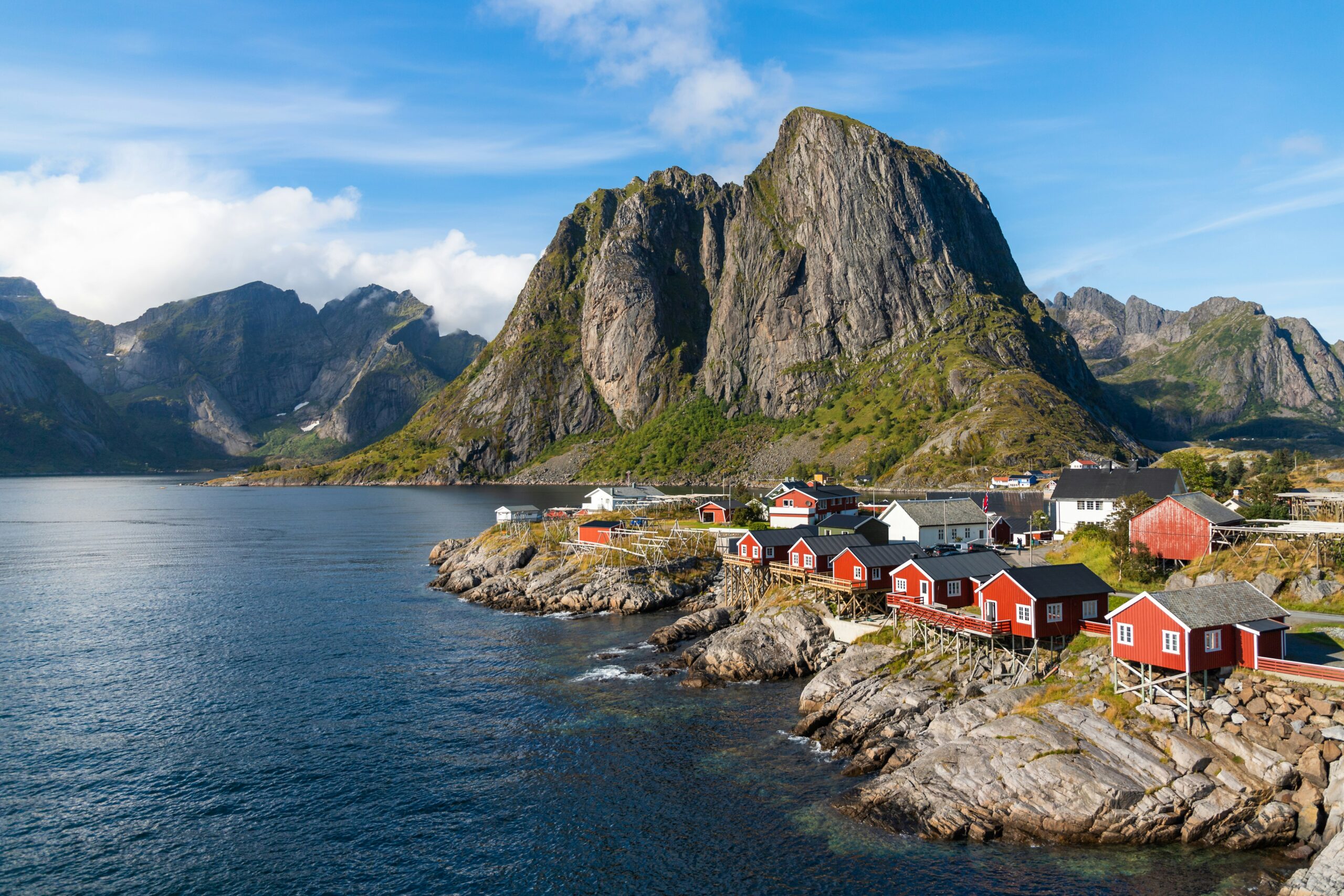
Lofoten Islands, Norway
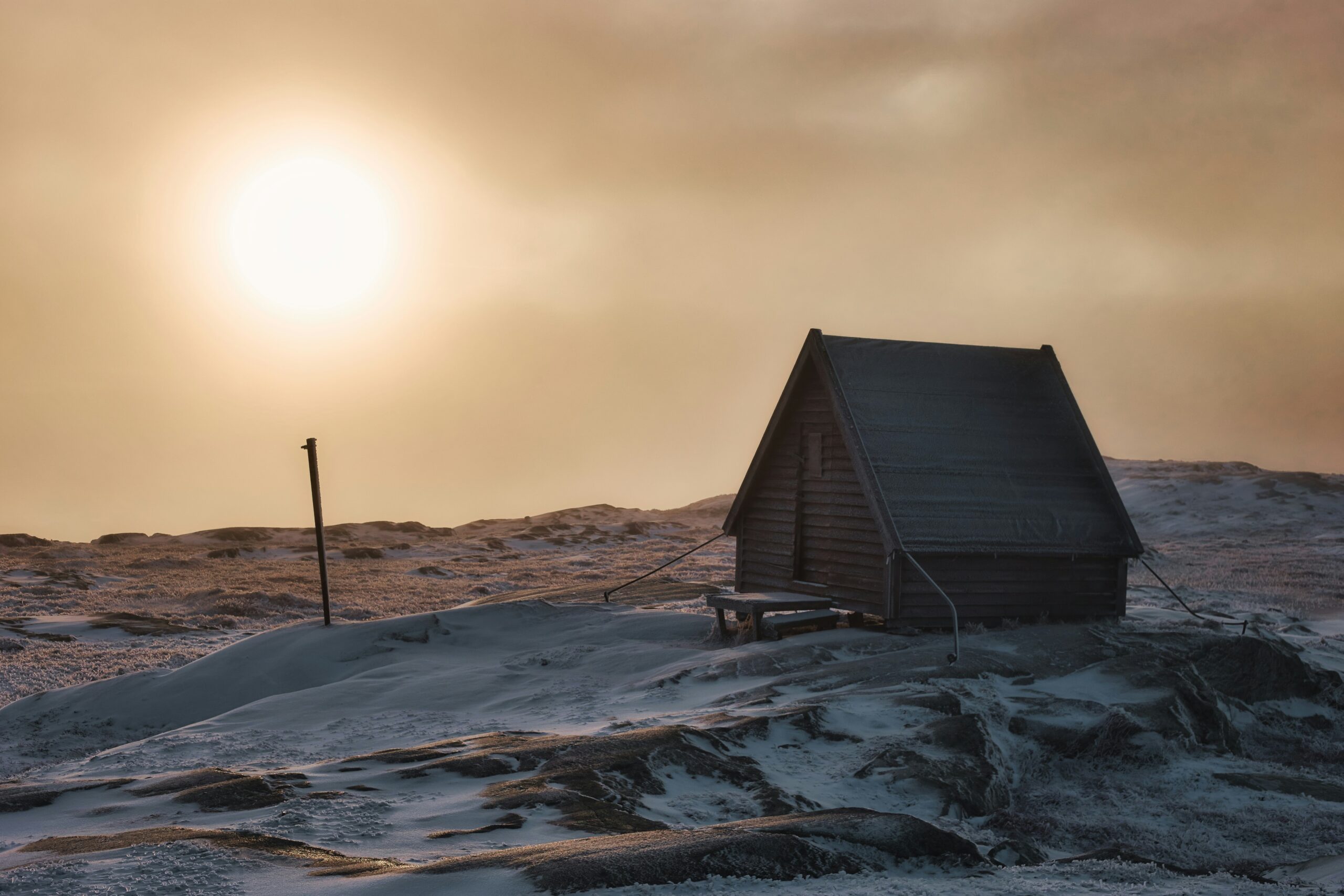
Sharp granite peaks rise directly from the sea, softened by fishing villages painted in muted reds and whites. Lofoten feels elemental and remote, where light changes hourly and silence is part of the experience. It is one of Scandinavia’s most visually striking landscapes, especially in summer when the sun barely sets.
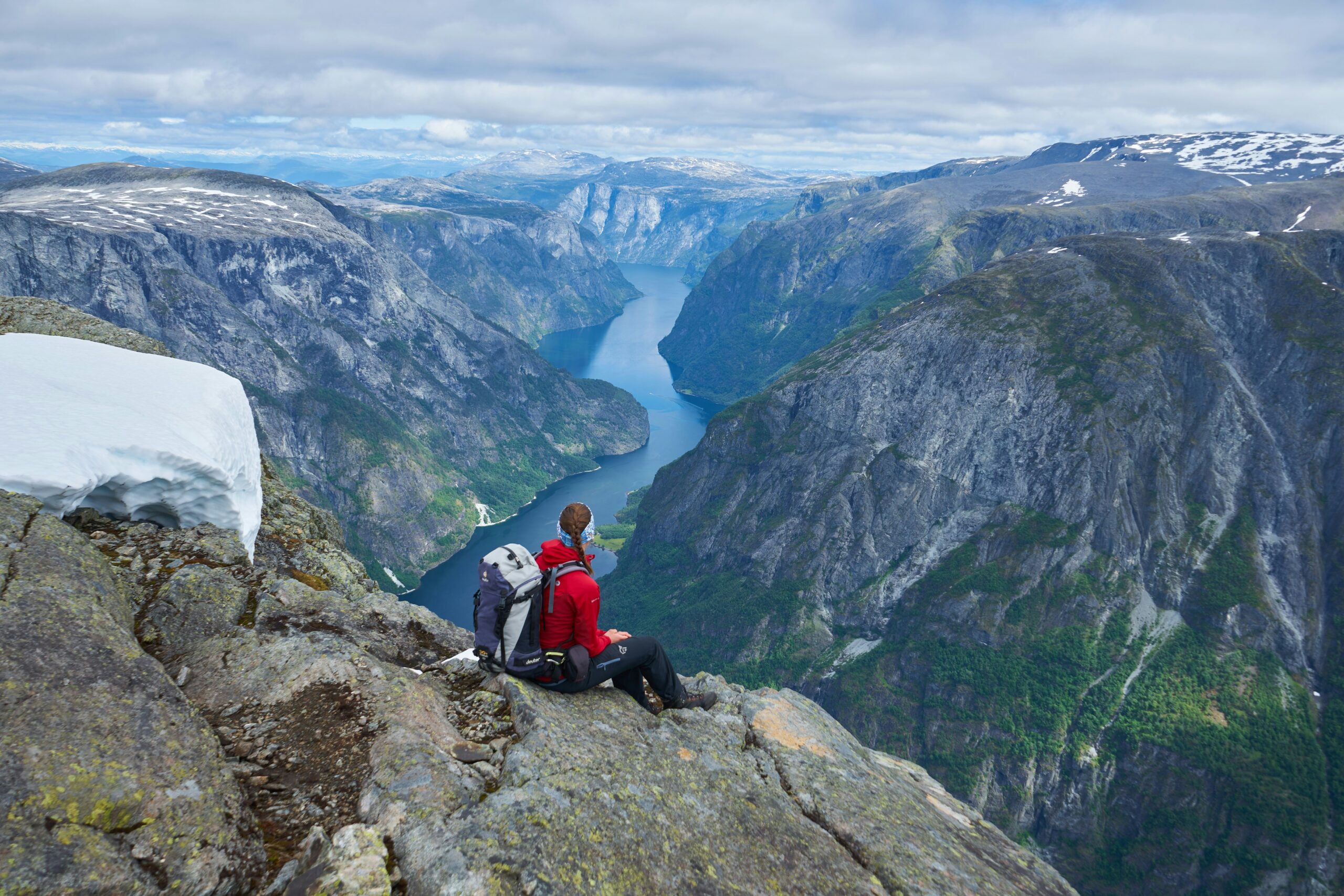
Nærøyfjord, Norway
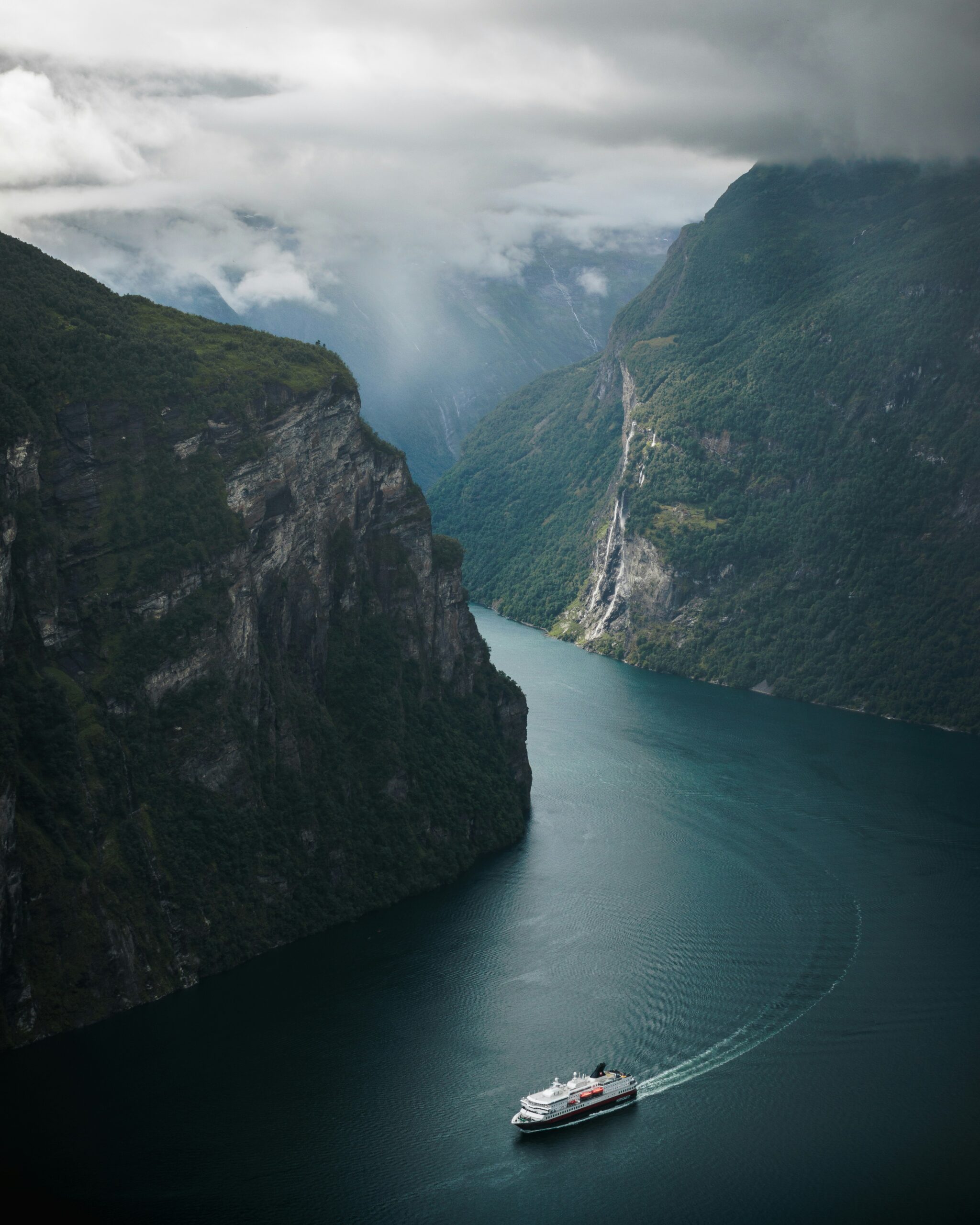
A UNESCO protected fjord known for its narrow scale and dramatic vertical cliffs. Waterfalls cascade directly into still, dark water. The fjord is best appreciated slowly, where the absence of noise allows the landscape to feel immersive rather than overwhelming.
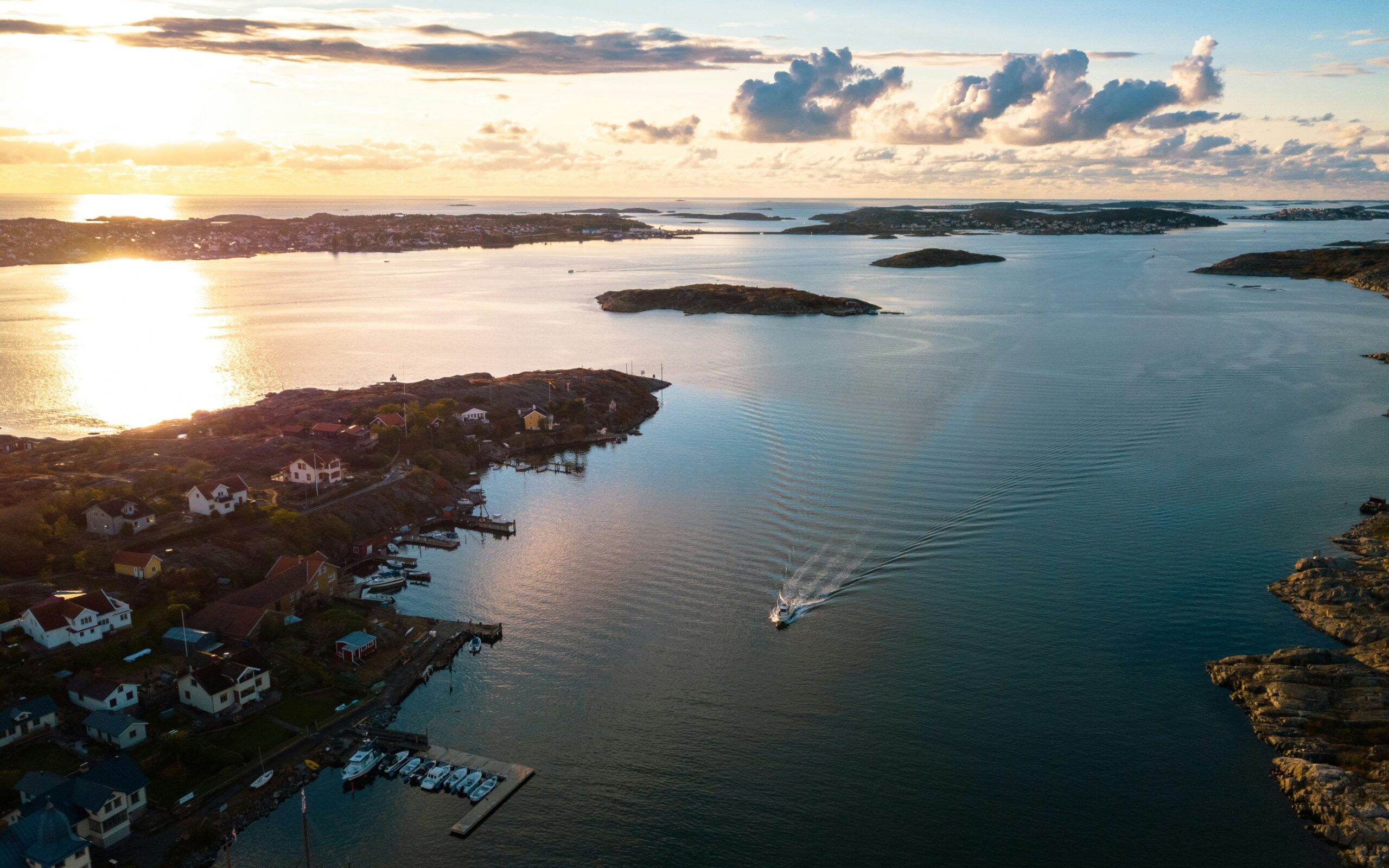
Stockholm Archipelago, Sweden
Thousands of pine covered islands stretch out from the city into the Baltic Sea. Wooden summer houses, rocky shores, and quiet ferry routes define this area. It offers a rare balance between refined urban life and complete natural escape.
Åre, Sweden
A mountain town surrounded by alpine lakes and rolling peaks. In summer, Åre transforms into a hiking and cycling destination with wide open trails, clear water, and minimal crowds. The town’s design forward lodges and calm atmosphere make it especially appealing to slow travelers.
Bergen, Norway
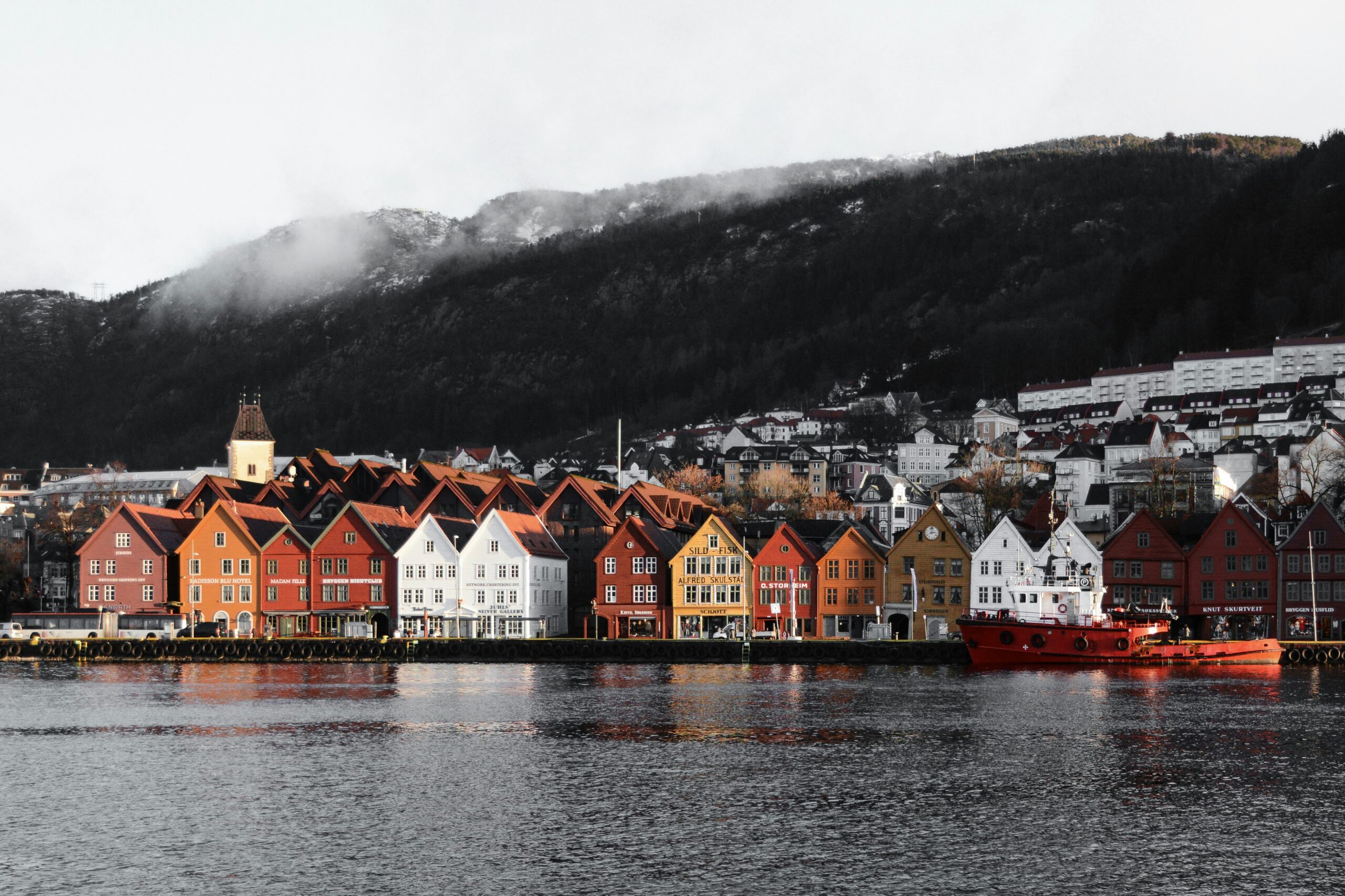
Colorful wooden houses line the harbor, framed by steep hills and frequent mist. Bergen’s beauty comes from contrast: historic architecture against raw nature, rain enhancing greenery rather than dampening the experience. It is often called the capital of the fjords for good reason.
Geirangerfjord, Norway
A classic yet still powerful fjord landscape, where deep blue water meets towering cliffs and farmsteads cling impossibly to mountainsides. Its scale feels humbling rather than dramatic, especially when experienced outside peak hours.
Copenhagen Waterfront, Denmark
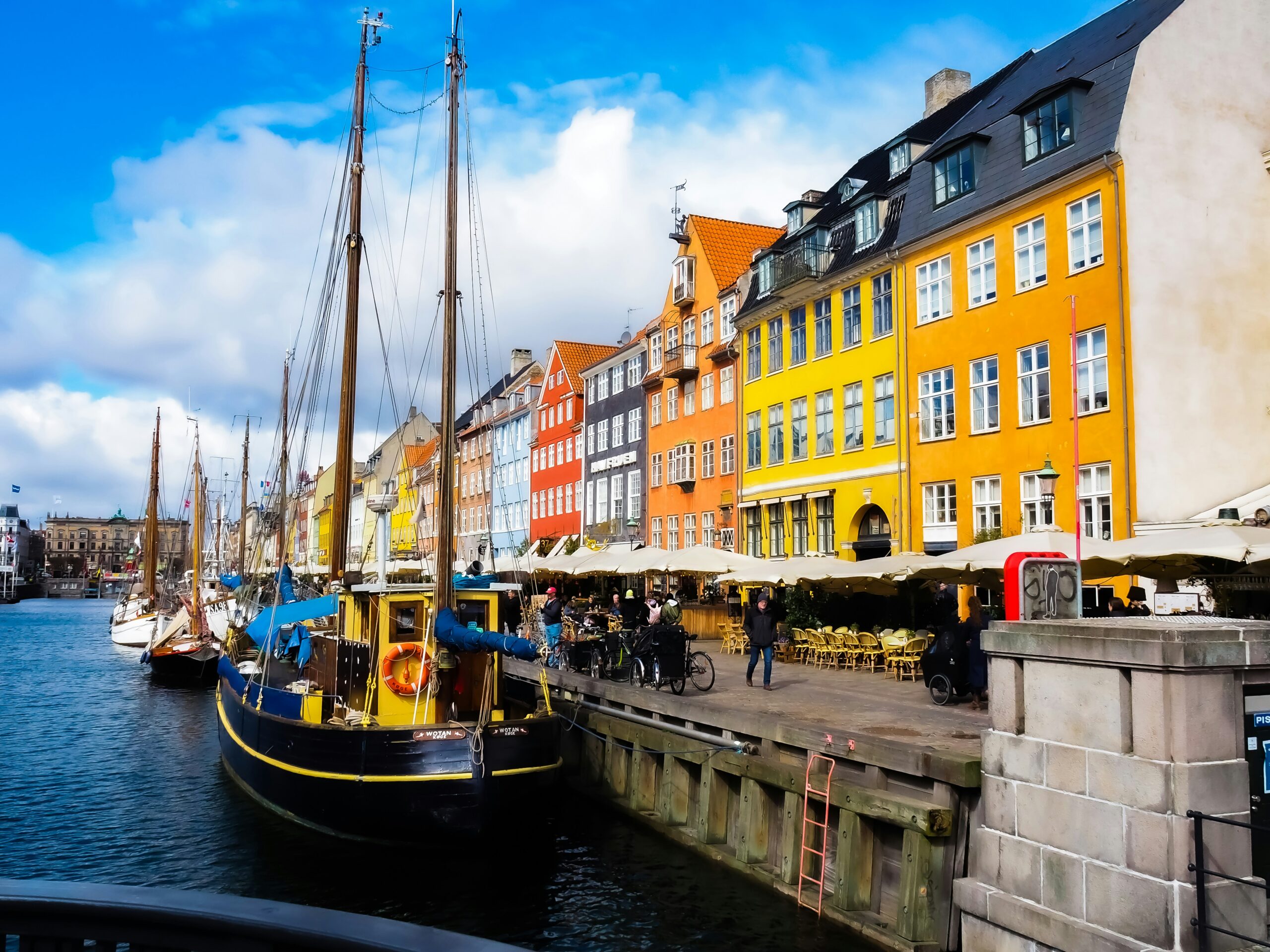
Beauty here is human scale. Clean harbor water, minimalist architecture, and soft evening light create a cityscape that feels open and breathable. The waterfront areas reflect how design, sustainability, and daily life intersect seamlessly.
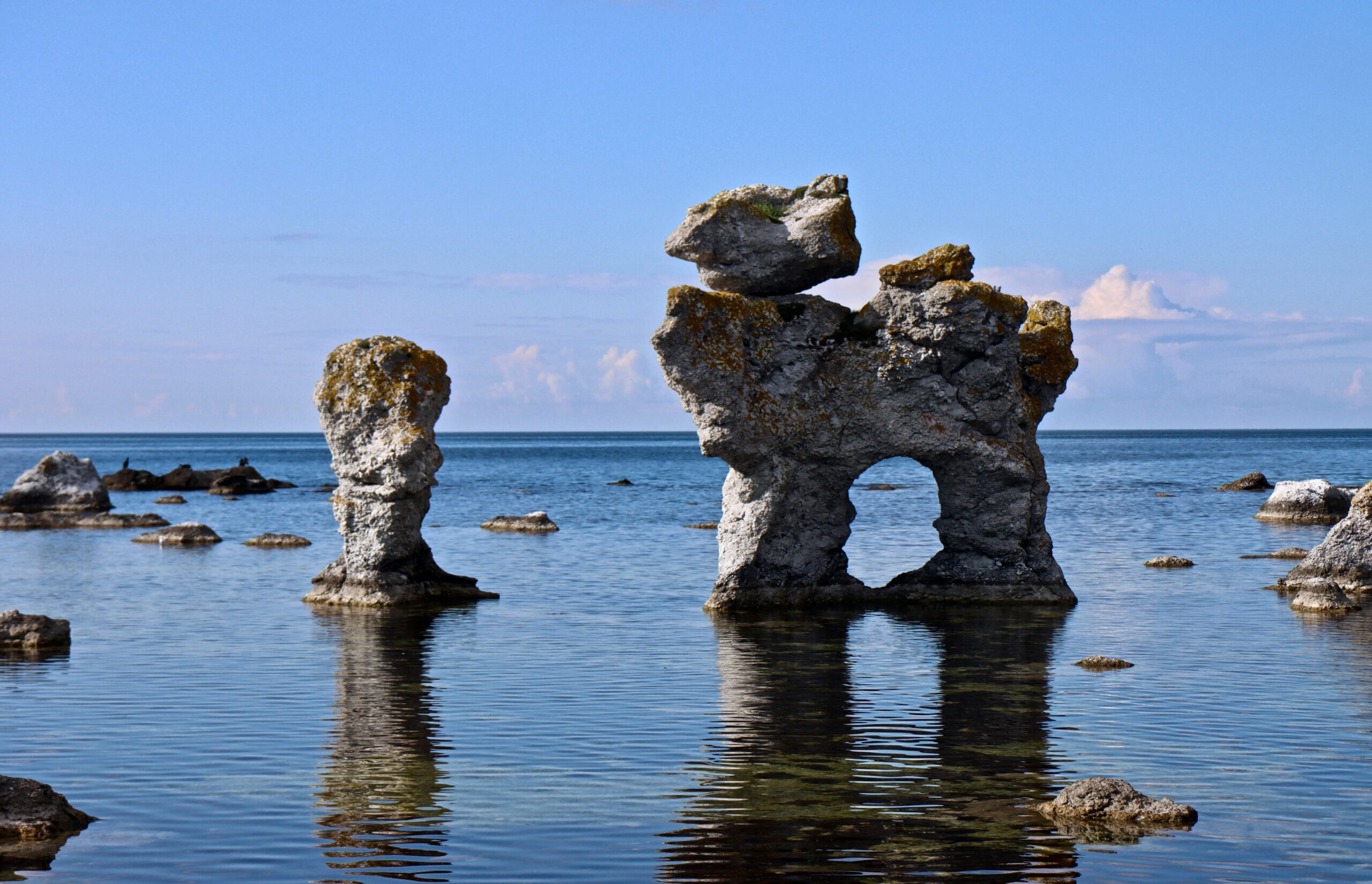
Gotland, Sweden
An island of limestone cliffs, medieval ruins, and long, quiet beaches. Gotland’s beauty is subtle and textural, shaped by wind, sea, and history. It feels slower than mainland Sweden and deeply connected to seasonal rhythms.
Iconic Experiences with Depth
Rather than chasing landmarks, Scandinavia rewards immersive experiences.
In Norway, electric fjord cruises allow you to glide silently past waterfalls and cliffs without disturbing the environment.
Stockholm’s archipelago offers thousands of islands reachable by public ferry, blending city access with complete isolation.
Copenhagen’s harbor swimming zones showcase how clean water and urban life coexist, reinforcing the region’s commitment to sustainability.
These experiences feel iconic not because they are famous, but because they reflect how Scandinavians live.
Hidden Places That Add Character
Beyond the capital cities, smaller towns and landscapes reveal the soul of the region.
West Sweden’s coastal archipelago offers car free islands and slow ferry connections.
Norway’s inland plateaus provide expansive hiking with minimal crowds.
Southern Sweden’s countryside introduces farm stays, local food producers, and a slower rhythm that contrasts sharply with traditional European tourism hubs.
These lesser known places are where Scandinavia feels most authentic.
Food, Café, and Local Culture
Scandinavian food culture emphasizes seasonality, simplicity, and provenance. Cafés prioritize natural light and quiet spaces. Meals are less about excess and more about balance.
In cities, you will find bakeries centered around sourdough, local grains, and coffee culture rooted in social connection rather than speed. Restaurants often feature tasting menus that reflect local ecosystems rather than global trends.
Food becomes a subtle but powerful way to understand place.
Who Scandinavia Is Best Suited For
This Scandinavia travel guide is best suited for travelers who value design, nature, and thoughtful experiences over checklist tourism.
It appeals to first timers who want an easy introduction to Europe without language barriers or logistical stress. It suits those interested in sustainable travel, cooler climates, and destinations that reward curiosity rather than urgency. For those planning their first trip, this Scandinavia travel guide offers clarity without rigidity, helping travelers move confidently while staying open to discovery.
If you prefer flexible planning and visual inspiration over rigid schedules, tools like Desti can be helpful for organizing ideas while keeping your trip open ended. Its photo based approach aligns naturally with how Scandinavia is best explored.
A Thoughtful Conclusion
Scandinavia is not about seeing more, but feeling more. It invites you to slow down, breathe cooler air, and reconnect with landscapes designed to be protected rather than consumed.
As a first destination or a reset from crowded travel patterns, Scandinavia offers a model for where tourism is heading. Calm, sustainable, and deeply human.
This Scandinavia travel guide is not an argument to go everywhere, but an invitation to choose better. As a region best explored with intention, a well structured Scandinavia travel guide helps travelers experience more by doing less.
Leave a Reply