
Table of Contents
Japan rewards precision. Its cities are dense but intuitive, its transport systems are engineered for flow, and its culture values simplicity over excess. This makes Japan one of the best countries in the world for traveling light.
This 7 Day Japan Itinerary is intentionally designed for carry on only travelers. It prioritizes efficient routing, minimal hotel changes, and smart use of Japan’s infrastructure so you can experience the country without dragging heavy luggage across platforms and staircases.
If you want a polished introduction to Japan that feels intentional rather than exhausting, this one week structure delivers clarity and confidence.
Introduction to Travel Intent and Pace
The goal of this itinerary is momentum without burnout. Each destination builds naturally on the last, with enough depth to feel immersive but enough restraint to keep the experience calm.
Japan moves fast but it does not rush you. Traveling with a carry on only aligns perfectly with how the country functions. Compact hotel rooms, reliable public transport, and world class logistics mean less is genuinely more here.
Ideal Trip Length and Planning Considerations
One week is the sweet spot for a first trip. It allows time for Tokyo’s scale, Kyoto’s tradition, and a glimpse of regional Japan without constant packing and unpacking.
This itinerary uses the Tokyo Kyoto corridor because it is the most efficient and rewarding for a short stay. High speed rail eliminates the need for domestic flights, and stations are designed to move people smoothly even with limited luggage.
If you are researching a Japan packing list carry on, this structure intentionally limits hotel changes so you are never carrying more than you need.
Day 1: Arrival and Tokyo Orientation
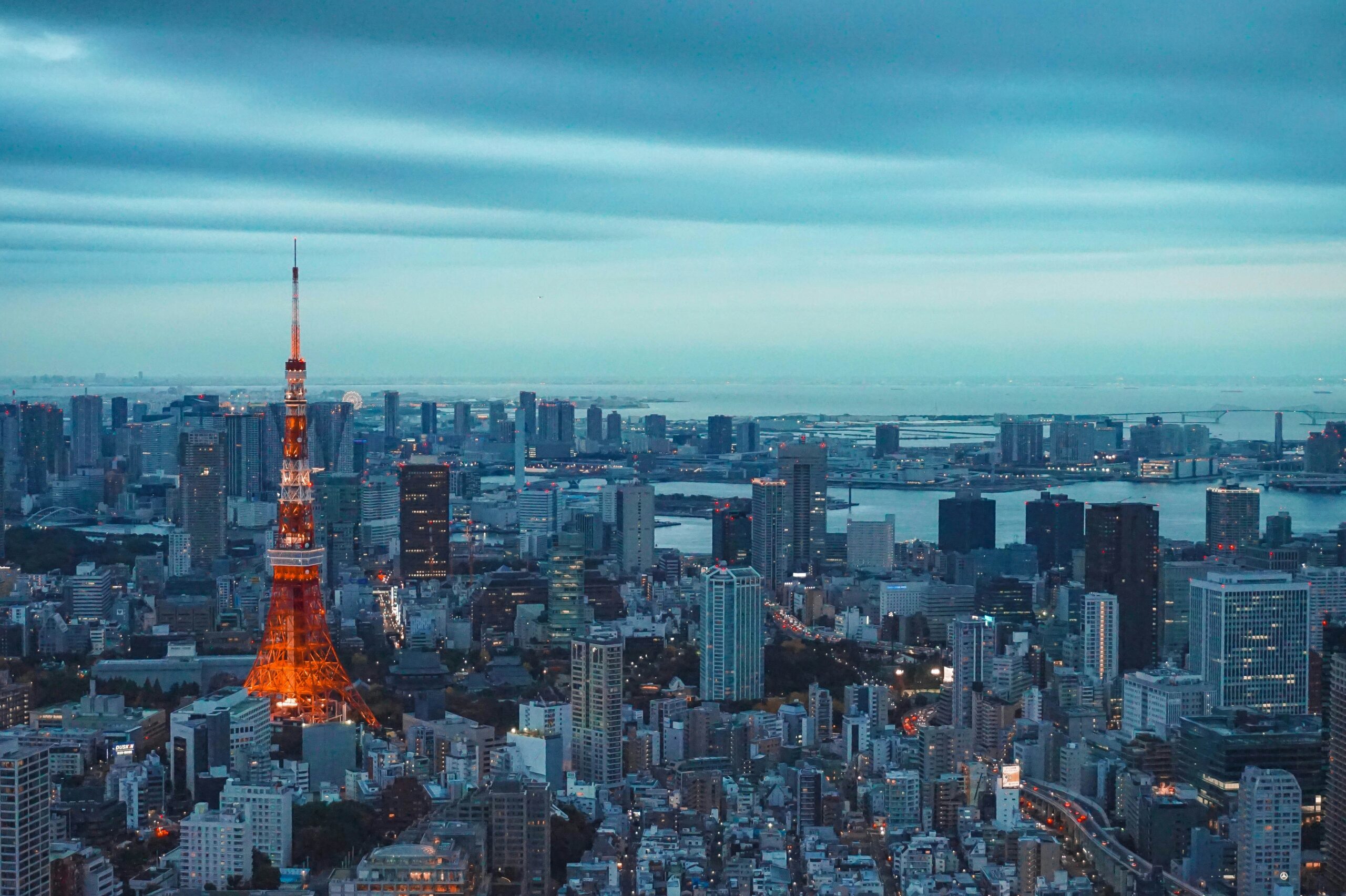
Arrive in Tokyo and settle into one central neighborhood. Shinjuku, Ginza, or Asakusa work well depending on your design preference and hotel style.
Use the first day to adjust and orient. Walk your local streets, visit a nearby shrine, and observe how Tokyo balances density with calm.
This first evening sets the tone. No rushing. No landmarks chasing. Just understanding the rhythm of the city.
Day 2: Tokyo Contrast and Urban Layers
Tokyo is best experienced through contrast. Pair one hyper modern district with one traditional area.
Morning in Shibuya or Omotesando highlights contemporary design, architecture, and movement. Afternoon in Yanaka or Asakusa reveals quieter streets and older textures.
For carry on travelers, Tokyo’s locker systems and station layouts make movement effortless. This is where packing light for Japan becomes an advantage rather than a compromise.
Day 3: Tokyo Nature and Local Life
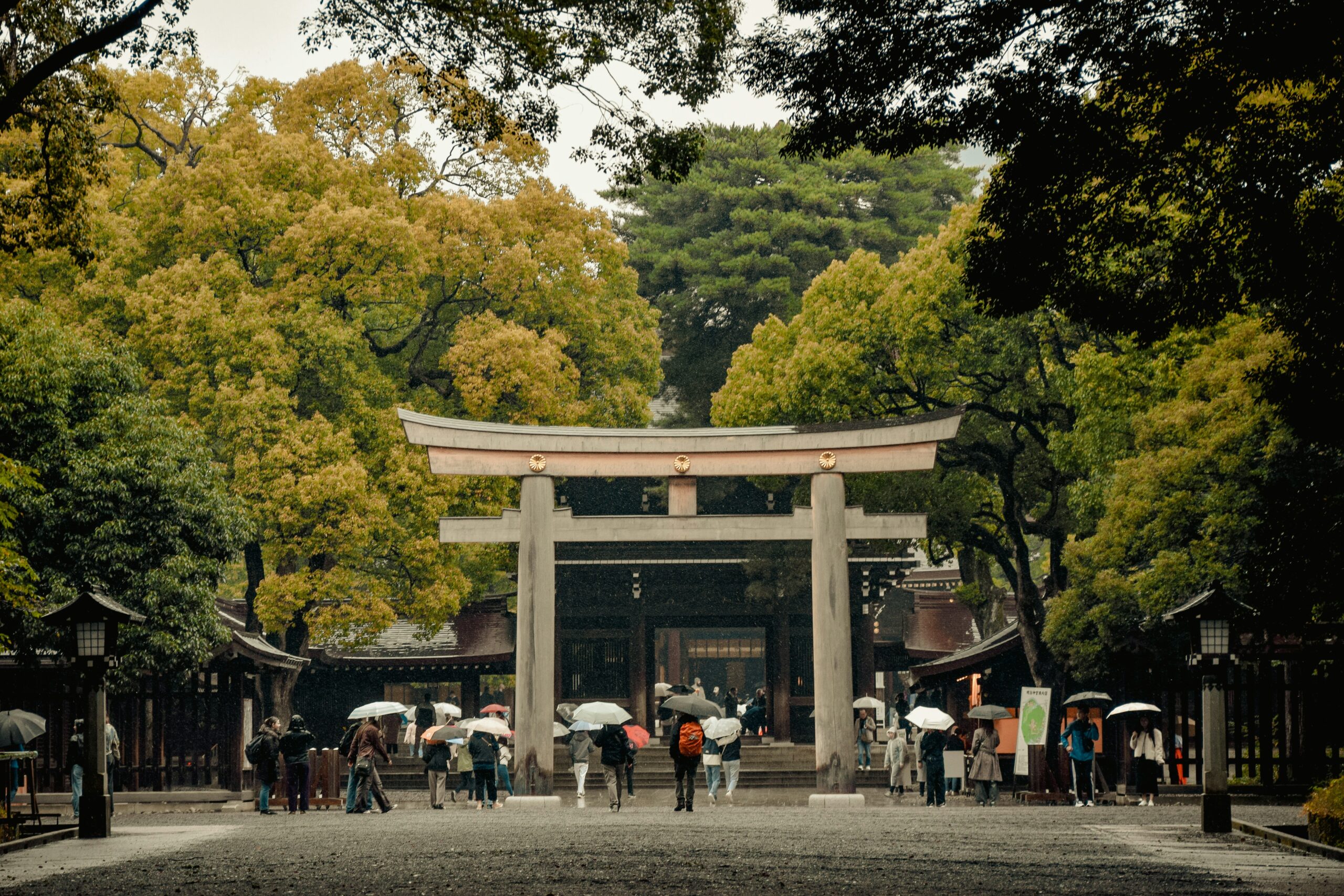
Dedicate a slower day to balance the urban experience. Meiji Shrine offers a reset through forested paths in the heart of the city.
Later, explore neighborhoods like Daikanyama or Meguro where cafés, bookstores, and residential calm show how Tokyo residents actually live.
If you want visual inspiration to choose neighborhoods that match your pace, tools like Desti www.desti.site help you plan visually rather than relying on rigid schedules.
Day 4: Tokyo to Kyoto by Shinkansen
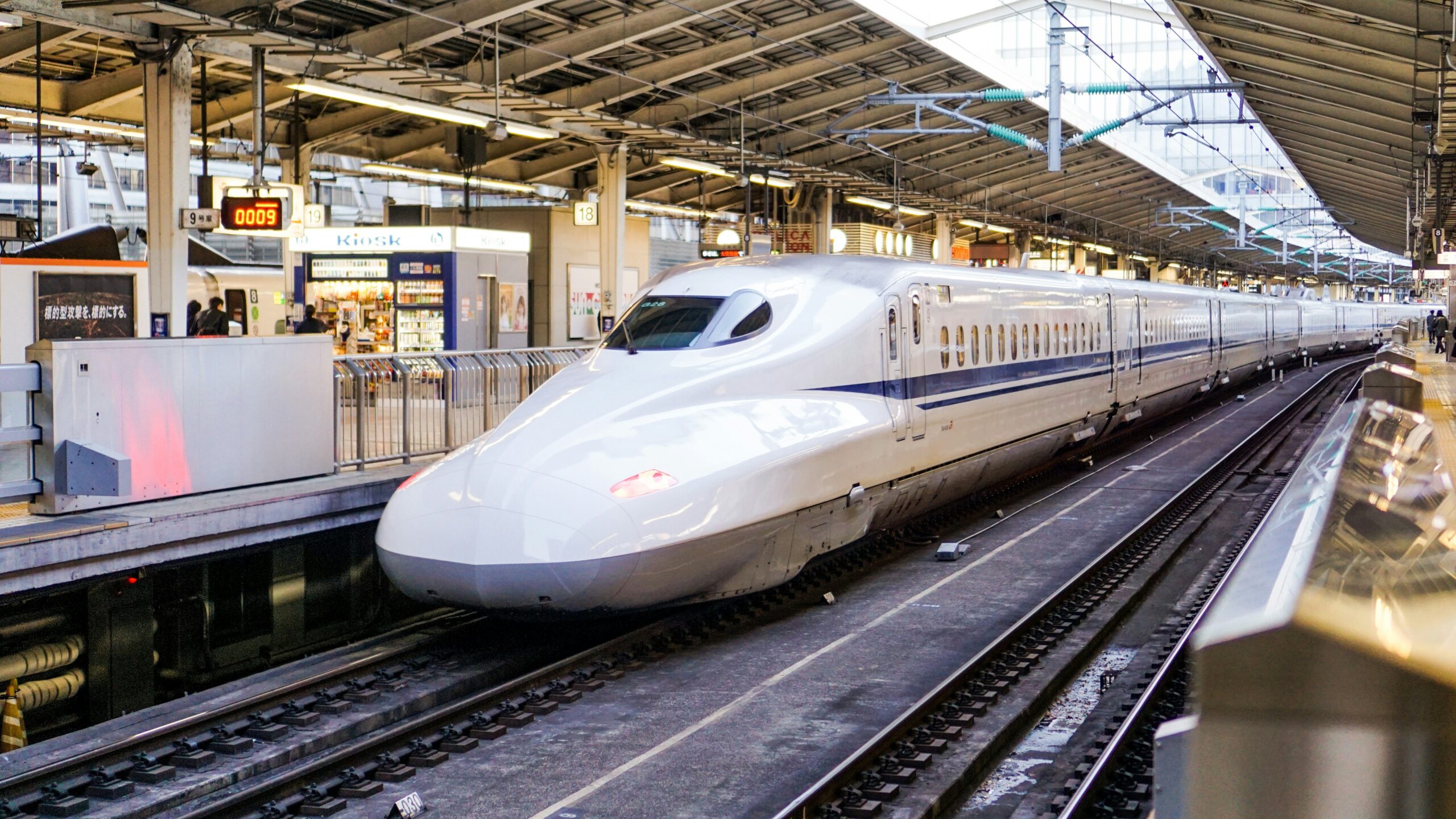
The transition day defines the efficiency of this itinerary. Board the Shinkansen and arrive in Kyoto in just over two hours.
For carry on travelers, this is where Japan excels. Overhead space is generous for small bags, and station navigation is clear and multilingual.
If you plan to bring anything larger, Japan’s luggage forwarding Japan services known as Takkyubin allow bags to move ahead of you seamlessly. Many travelers choose to forward once and travel light for the rest of the trip.
Arrive in Kyoto and take a short evening walk through Gion or along the Kamogawa River.
Day 5: Kyoto Tradition and Spatial Calm
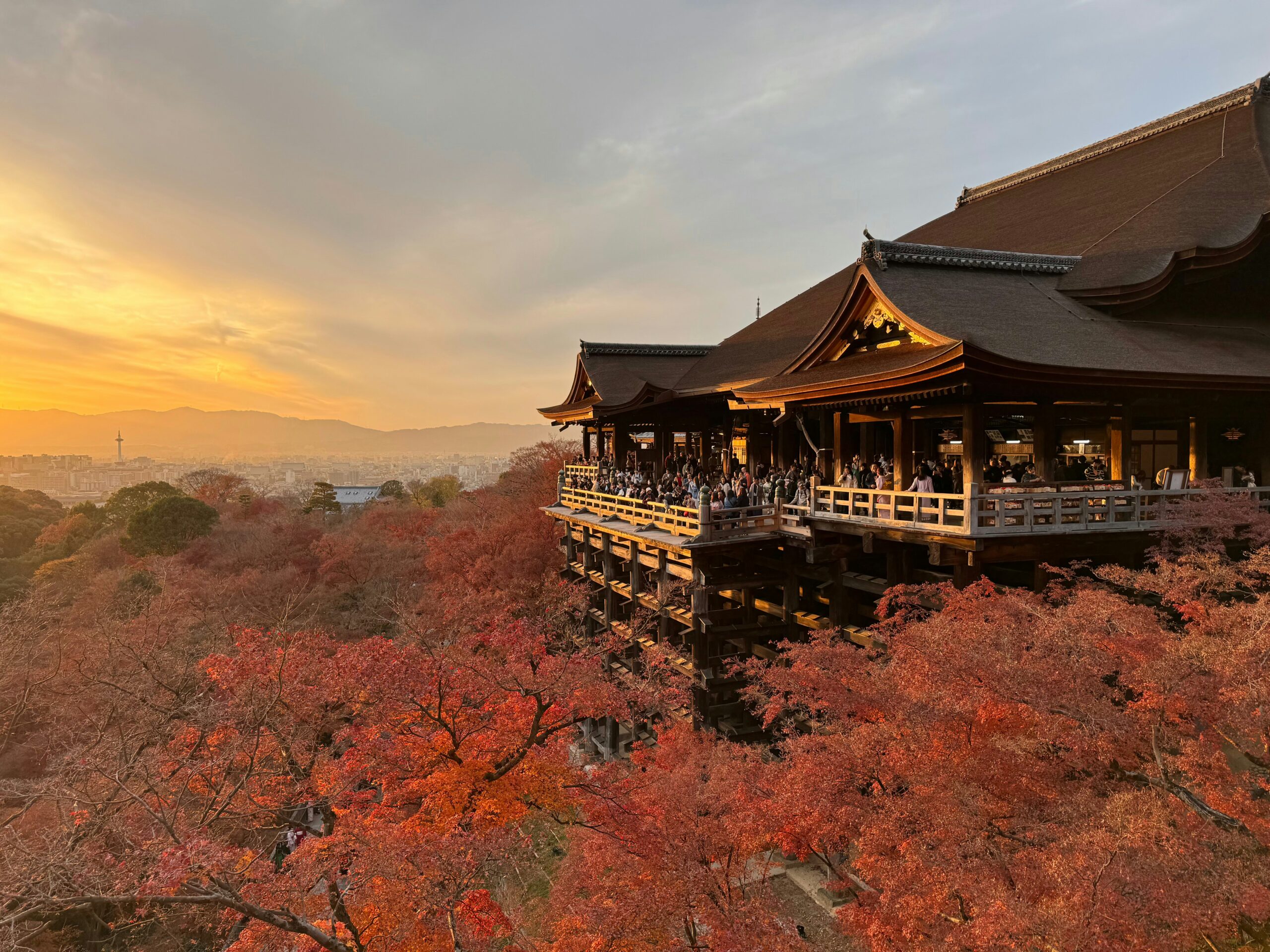
Kyoto rewards early mornings. Visit temples like Kiyomizu dera or Nanzen ji before crowds peak.
Unlike Tokyo, Kyoto is about space and pauses. Wooden architecture, gardens, and seasonal details slow your pace naturally.
Because accommodations here are often smaller, traveling with a carry on only makes check in and movement far easier, especially in historic neighborhoods.
Day 6: Kyoto Beyond the Icons
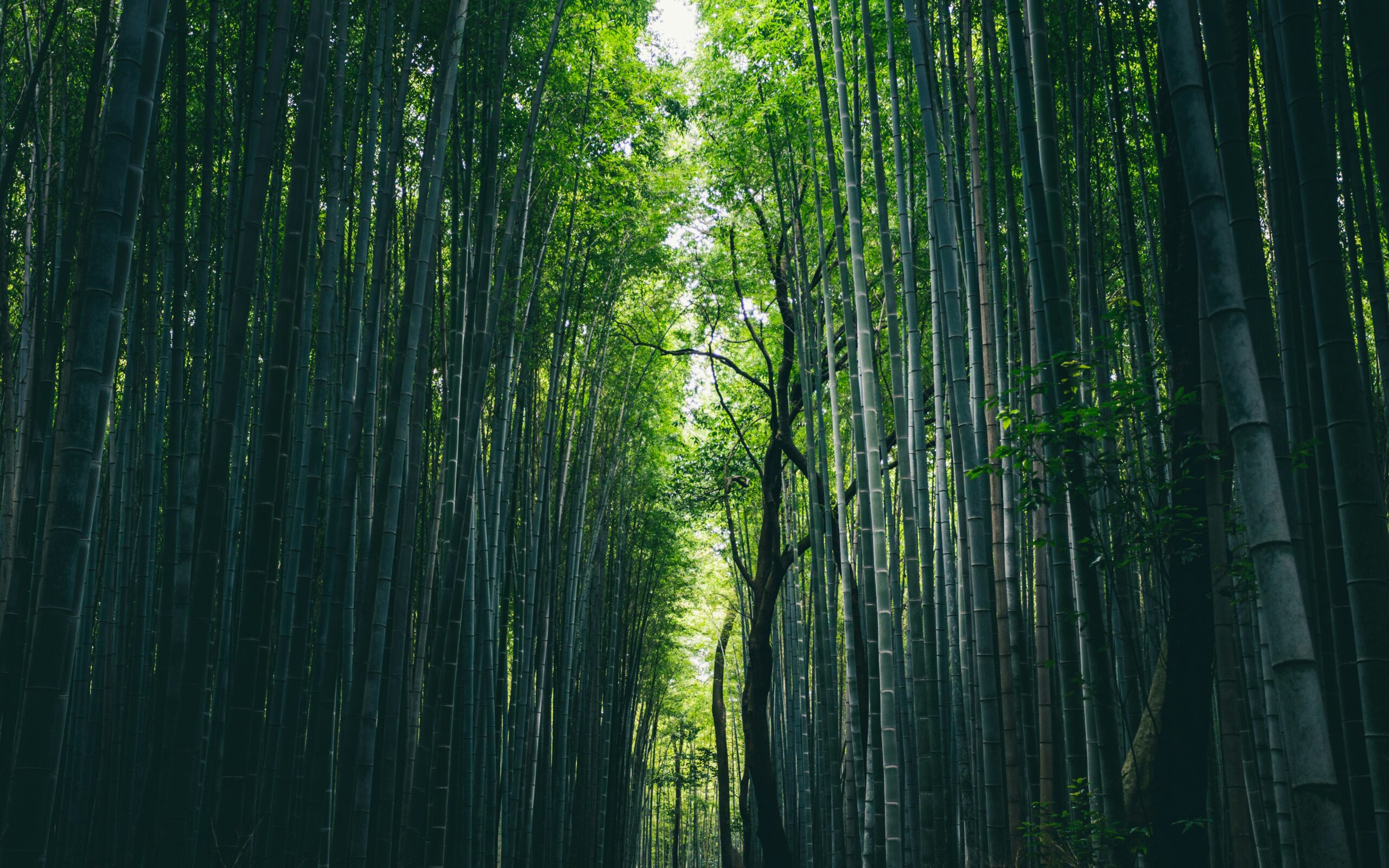
Move beyond the headline sights. Explore lesser known districts like Ohara or quieter sections of Arashiyama.
These areas offer the same depth without the density. Cafés are slower, streets are narrower, and time stretches.
This balance is essential in a 1 Week in Japan trip. It prevents sensory overload and keeps the experience intentional.
Day 7: Return or Departure
Depending on your flight, return to Tokyo or depart from Kansai International Airport.
If returning to Tokyo, the Shinkansen once again proves why rail is superior for short trips. No airport security stress. No baggage delays. Just precision.
This final day should feel light. Mentally and physically.
Key Highlights and Must See Stops
- Tokyo neighborhood contrasts
- Kyoto temple mornings
- Shinkansen efficiency
- Design forward cafés and public spaces
- Minimal luggage movement
These elements define the success of this 7 Day Japan Itinerary more than any checklist of attractions.
Hidden Gems and Flexible Add Ons
- Neighborhood sento baths for relaxation
- Small local bakeries and coffee roasters
- Station depachika food halls for easy meals
These additions fit naturally into a carry on focused trip without adding weight or stress.
Transportation and Time Optimization Tips
- Use IC cards for seamless transit
- Avoid peak commuter hours when possible
- Choose hotels within five minutes of major stations
Japan’s transport system rewards preparation but does not punish flexibility.
Where to Stay Based on Itinerary Flow
In Tokyo, stay near major JR lines to simplify airport and Shinkansen access.
In Kyoto, prioritize walkable neighborhoods over proximity to every sight.
If you are looking for design focused, well located accommodations, this guide to the 5 best Airbnbs in Kyoto offers calm, thoughtfully curated stays that align well with a carry on only approach.
Smaller rooms feel intentional when you are traveling light.
Who This Itinerary Is Best For
This guide is ideal for first time visitors, design conscious travelers, solo travelers, and couples who value efficiency and aesthetics.
If you dislike dragging luggage, hate overplanning, and want clarity without rigidity, this itinerary fits naturally.
Thoughtful Conclusion
Japan is not a place that asks you to carry more. It asks you to notice more.
This 7 Day Japan Itinerary proves that traveling with a carry on only does not limit your experience. It sharpens it. Movement becomes smoother. Decisions become easier. The country reveals itself without friction.
In Japan, light travel is not a compromise. It is alignment.


Leave a Reply