
Table of Contents
This Okinawa travel guide is designed for travelers seeking a quieter, more intentional side of Japan beyond Tokyo.
Why Okinawa Is Different From the Rest of Japan
Okinawa was once the independent Ryukyu Kingdom, and its history still shapes the region today. The culture, cuisine, architecture, and even the pace of life feel distinct from mainland Japan.
What sets Okinawa apart is balance. You get pristine beaches and tropical scenery alongside deep history and living traditions. Days are not rushed. Meals are long. Sunsets matter.
For travelers who feel overwhelmed by tightly packed itineraries, Okinawa offers something rare in Japan. Space.
Best Time to Visit Okinawa
Ideal Seasons
The best time to visit Okinawa is from April through June and from late September through November. During these months, the weather is warm, humidity is manageable, and crowds are minimal.
When to Avoid
July through early September brings typhoon risk and heavier rain, while peak summer travel can increase prices. Winter is mild and calm, though ocean activities may be limited.
Where to Stay in Okinawa
Naha
Naha is the main city and transport hub. It is practical for short stays, cultural exploration, and easy access to markets, restaurants, and historical sites.
Onna Village
Located on the west coast, Onna Village is known for its beaches and mid range to premium resorts. It offers a relaxed base with easy access to snorkeling, diving, and coastal views.
Northern Okinawa
The northern region is quieter, greener, and ideal for travelers seeking nature and seclusion. This area works well for longer stays or slow travel.
What to See and Do in Okinawa
Shurijo Castle
A UNESCO World Heritage Site, Shurijo Castle reflects Okinawa’s unique history and architectural style. Even after reconstruction efforts, the site remains culturally significant and visually striking.
Okinawa Churaumi Aquarium
One of the best aquariums in the world, known for its massive whale shark tank. It is worth visiting early in the day to avoid crowds.
Beaches Worth Visiting
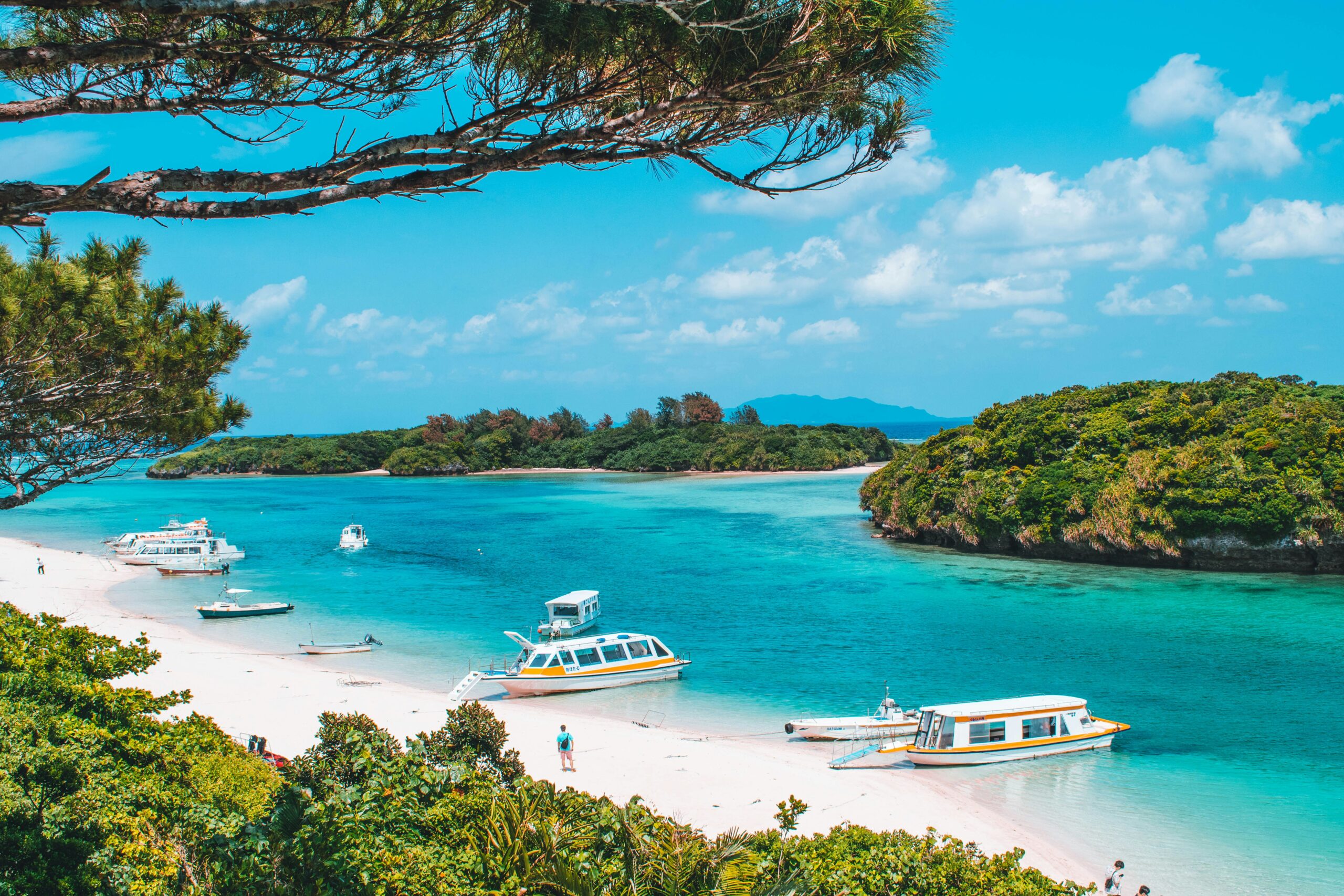
Emerald Beach, Zanpa Beach, and Aharen Beach on Tokashiki Island offer clear water and calm swimming conditions. Each beach has a different mood, ranging from accessible to remote.
Island Hopping Beyond the Main Island
One of Okinawa’s biggest strengths is its surrounding islands.
Tokashiki and Zamami
These islands are part of the Kerama group and are known for snorkeling, clear water, and relaxed village life. They are ideal for day trips or overnight stays.
Ishigaki and Iriomote
Located further south, these islands feel even more remote. Expect jungle landscapes, mangroves, and fewer tourists.
Food Culture in Okinawa
Okinawan cuisine emphasizes longevity and simplicity.
Dishes to try include goya champuru, Okinawa soba, and fresh seafood. Meals are less formal and more communal, often enjoyed slowly. Cafes and beachfront restaurants focus on atmosphere as much as flavor.
Do not rush meals here. Food is part of the rhythm of the day.
Getting Around Okinawa
Okinawa is not as train friendly as mainland Japan. Renting a car is the most efficient option, especially if you plan to explore beaches or northern regions.
Public buses work within cities but can be time consuming. Ferries connect the main island to nearby islands reliably.
Planning Okinawa Without Overthinking
Okinawa works best when planned lightly but intentionally. Too much structure removes the calm that makes the destination special. Too little planning can make transportation inefficient.
Visual first planning helps many travelers bridge this gap. Tools like Desti at www.desti.site allow travelers to start with the places they are visually drawn to and then organize them into a practical itinerary. This approach works particularly well in Okinawa, where geography matters and travel time shapes the experience.
Why Okinawa Is Ideal for Short but Meaningful Trips
Okinawa is perfect for travelers who want contrast within a Japan itinerary. It suits those who value aesthetic calm, nature, and cultural depth over constant stimulation.
It is especially appealing to travelers who plan impulsively, dislike dense schedules, and prefer places that feel under discovered.
Final Thoughts
Okinawa does not compete with Tokyo. It complements it.
Where the city energizes, Okinawa restores. With the right balance of intention and freedom, a trip here becomes less about checking boxes and more about presence.
For travelers seeking a quieter side of Japan, Okinawa offers something rare. A destination that asks you to slow down and rewards you for doing so.
Leave a Reply