
Table of Contents
Spain has never lacked beautiful places to stay. But for travelers who value meaning over novelty and atmosphere over excess, Paradores in Spain offer something far rarer than luxury alone. These historic properties transform castles, monasteries, convents, and palaces into thoughtfully preserved hotels, allowing guests to experience the country’s cultural layers from the inside.
Rather than feeling staged or theme driven, Paradores balance heritage with restraint. Interiors are calm, architecture leads the experience, and locations are chosen for significance rather than convenience. For design conscious travelers seeking authenticity without sacrificing comfort, this is one of Spain’s most compelling ways to stay.
What Makes Paradores in Spain So Distinctive
Paradores are state run heritage hotels created to preserve historically important buildings while opening them to modern travelers. Many occupy structures that once served religious, royal, or strategic purposes. Today, they function as living museums, where original stone walls, cloisters, and courtyards coexist with contemporary comforts.
Unlike traditional luxury hotels, Paradores in Spain prioritize context. The experience is shaped by the building’s original purpose, its surroundings, and the local culture. This makes each stay deeply place specific. Sleeping in a medieval fortress or a former monastery feels immersive rather than performative.
For travelers drawn to unique hotels in Spain, Paradores stand apart because they are rooted in preservation, not reinvention.
Best Areas to Experience Paradores in Spain
Paradores are spread across the country, often in places where conventional hotels feel out of place. Some of the most compelling regions include northern Spain, where green landscapes frame stone monasteries, and central Spain, where hilltop castles dominate historic towns.
Southern Spain offers some of the most dramatic examples, with fortress like structures overlooking valleys shaped by centuries of Moorish and Christian influence. Coastal Paradores tend to be quieter and less commercial, often positioned above cliffs or near protected landscapes rather than busy resorts.
The diversity of locations allows travelers to experience Spain beyond its major cities, while still enjoying high standards of comfort and design.
Iconic Paradores Worth Knowing
Several Paradores in Spain have achieved legendary status due to their architecture and cultural importance.
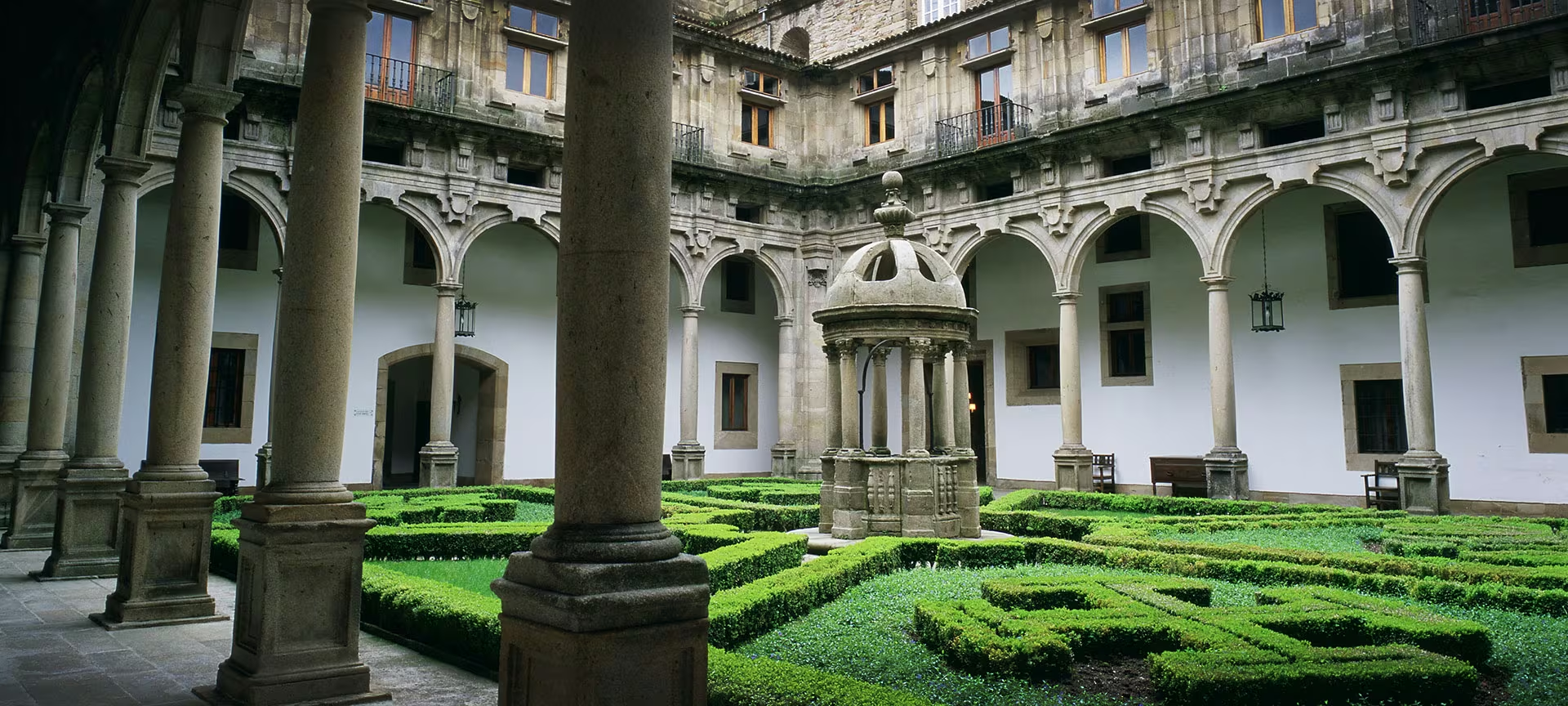
The Parador de Santiago de Compostela is among the most famous. Located at the end of the Camino de Santiago, it is often considered one of the oldest continuously operating hotels in the world. Originally built as a hospital for pilgrims, it now offers a serene and deeply symbolic stay within a grand Renaissance structure.
Another standout is the Parador de Alarcón, a dramatic castle perched above a river gorge. Staying here feels closer to inhabiting a fortress than a hotel, with thick stone walls and panoramic views that reinforce a sense of timelessness.
For travelers interested in staying in a castle in Spain, these properties offer authenticity that modern luxury resorts simply cannot replicate.
Five Exceptional Heritage Hotels Worth Experiencing
While Paradores in Spain offer one of the most consistent ways to experience historic architecture, a handful of independent and legacy hotels take heritage hospitality even further. These properties are not simply places to stay; they are destinations in their own right, defined by architecture, location, and cultural weight.
Each of the hotels below represents a different interpretation of Spain’s historic accommodation landscape, from fortress isolation to royal grandeur.
Cap Rocat, Mallorca
The Ultra-Luxury Fortress
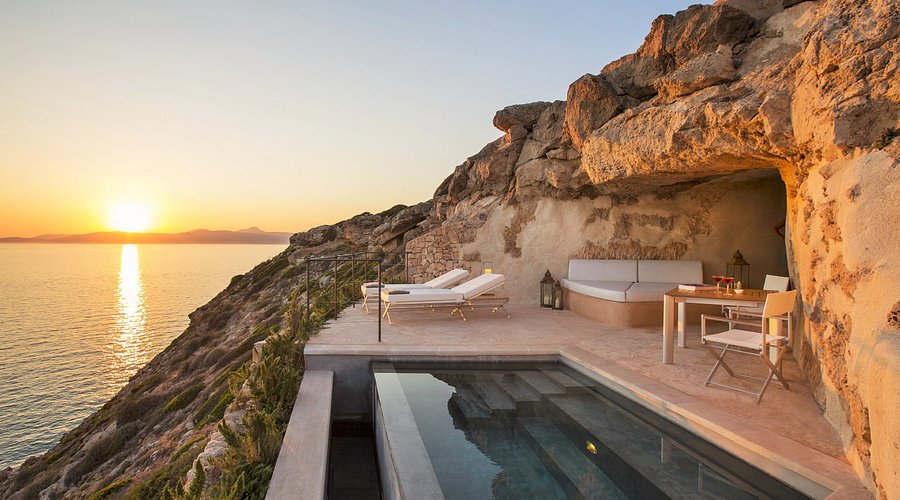
Carved directly into the cliffs overlooking the Mediterranean, Cap Rocat occupies a restored 19th century military fortress on the Bay of Palma. Its original defensive structure remains intact, with stone corridors, lookout points, and thick walls shaping the experience.
What sets Cap Rocat apart is its extreme privacy. Suites are former shooting embrasures, each transformed into secluded sanctuaries with private patios facing the sea. The Sentinel Suites go even further, embedded into the rock face with infinity plunge pools and uninterrupted views.
Consistently rated five out of five by luxury travelers, Cap Rocat is ideal for those seeking absolute calm, architectural drama, and a sense of total separation from the outside world.
Abadía Retuerta LeDomaine, Ribera del Duero
The Michelin-Starred Abbey
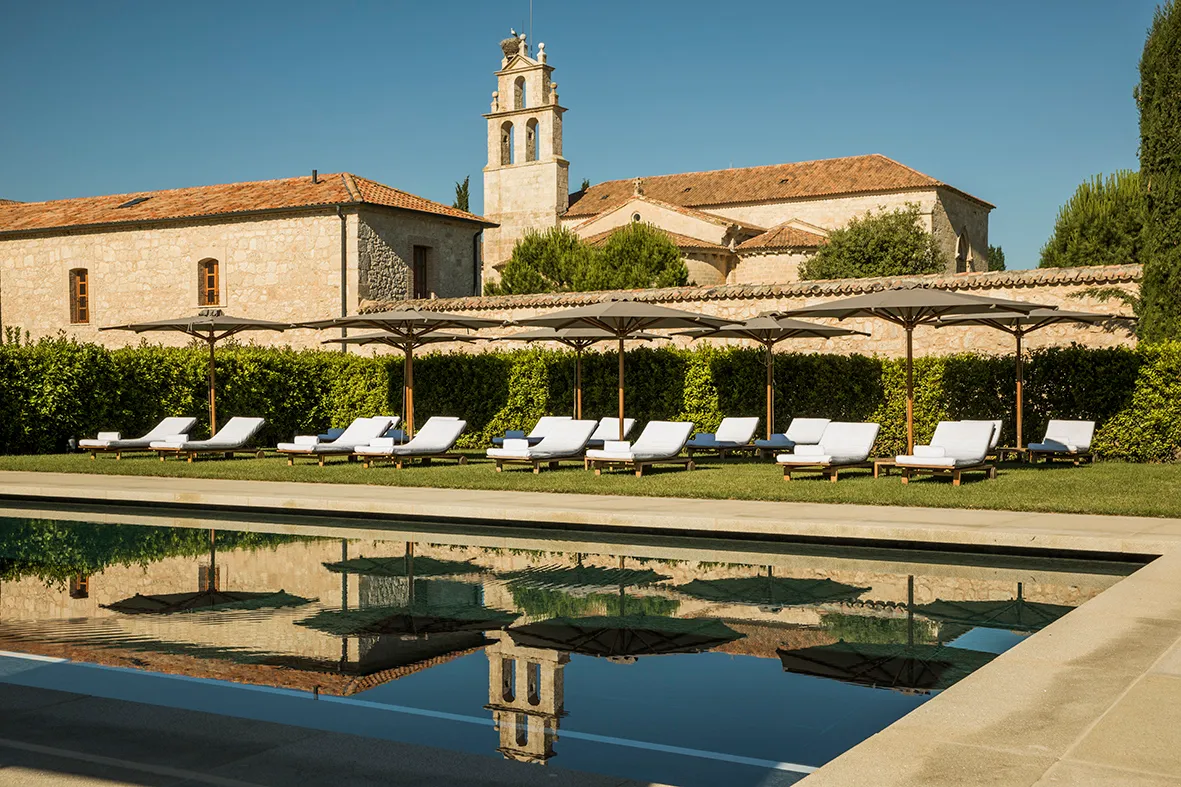
Set among rolling vineyards in Castilla y León, Abadía Retuerta LeDomaine is a meticulously restored 12th century Romanesque abbey that merges monastic heritage with contemporary refinement.
The experience here is deeply sensory. The property is home to Refectorio, a Michelin starred restaurant located in the monks’ former dining hall, where regional ingredients and precision cooking elevate the stay into a culinary pilgrimage.
One of its most distinctive offerings is the Spa Sommelier, a ritual that pairs spa treatments with wine tastings sourced from the surrounding estate. Combined with full butler service for every room, the hotel delivers a level of personalization rarely found in heritage properties.
Hotel Alfonso XIII, Seville
The Hotel Built for a King
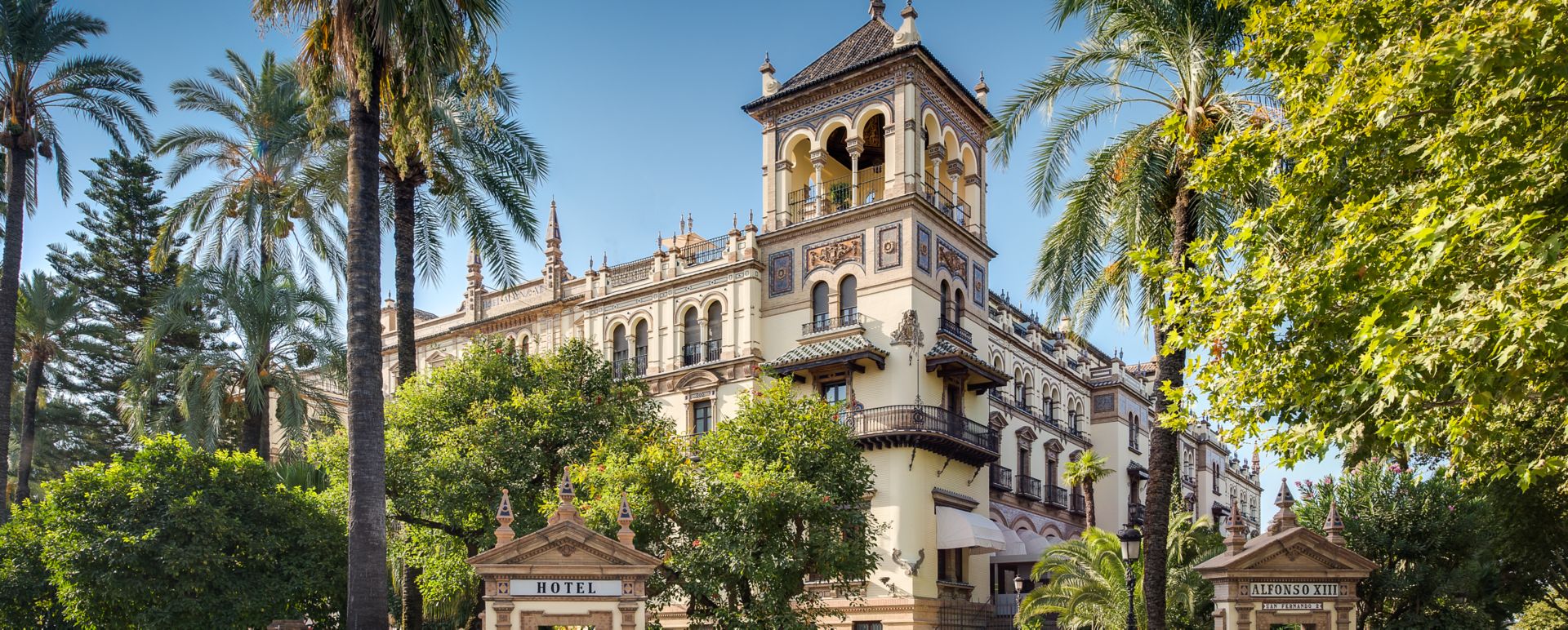
Commissioned by King Alfonso XIII himself, this Neo Mudéjar palace was designed to be the finest hotel in Europe for the 1929 Ibero American Exposition. Today, it remains the undisputed grand dame of Seville.
Ornate azulejos, marble floors, and Bohemian crystal chandeliers define the interiors, while the courtyard garden serves as a social anchor for evenings in the city. As part of the Luxury Collection, the hotel balances historic opulence with modern service standards.
This is where visiting royalty, diplomats, and artists stay, not for novelty, but for continuity. The hotel feels inseparable from Seville’s identity.
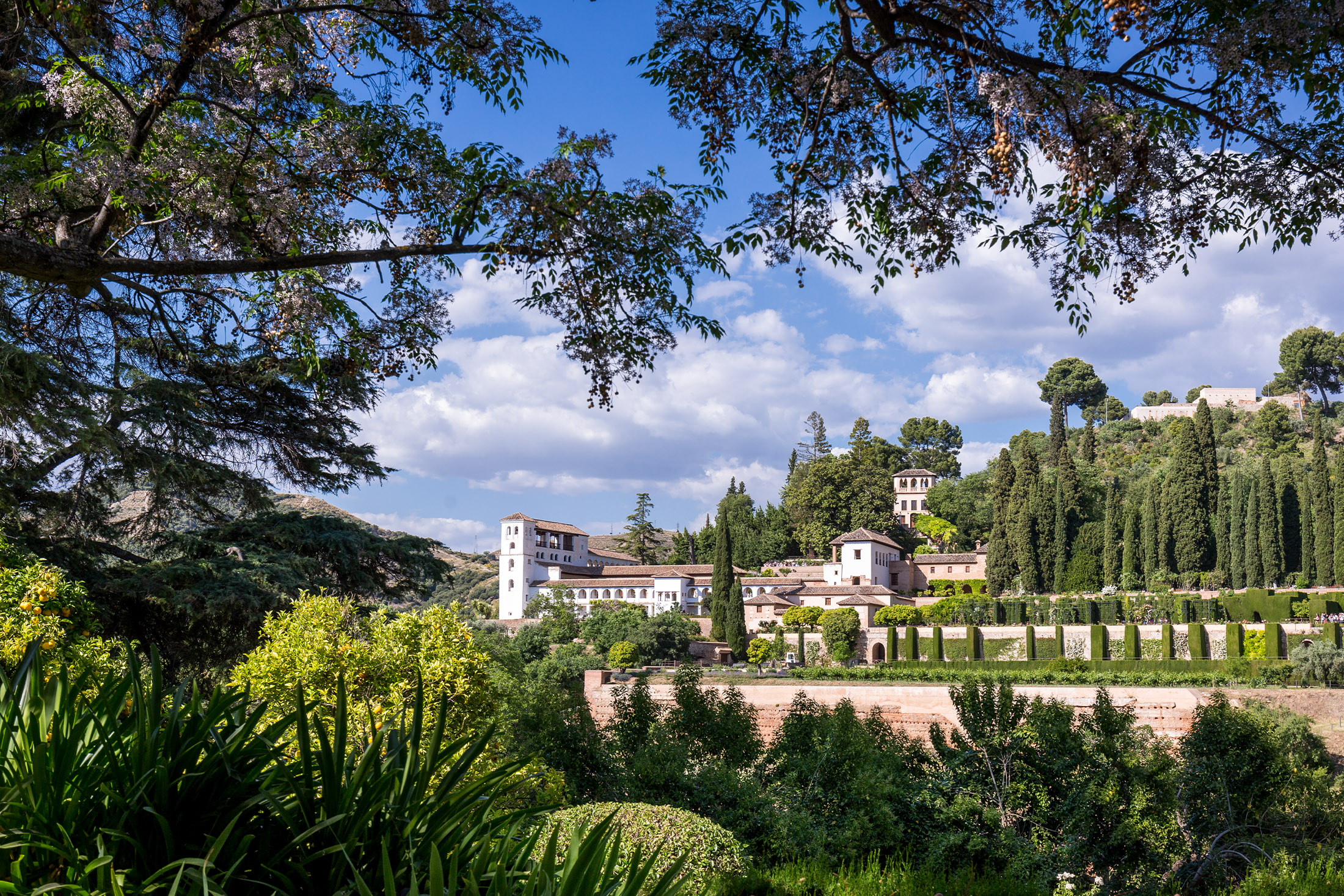
Parador de Granada, Granada
The Most Exclusive Location in Spain
Few hotels in the world can claim a location as singular as this one. The Parador de Granada occupies a 15th century convent built by the Catholic Monarchs directly on top of a former Nasrid palace, within the grounds of the Alhambra itself.
Guests staying here gain access to parts of the Alhambra gardens after the general public has left, an experience that fundamentally changes how the monument is perceived. The silence, scale, and atmosphere after hours cannot be replicated elsewhere.
Due to its unparalleled location, this Parador is the most in demand room in Spain and typically requires booking six months or more in advance.
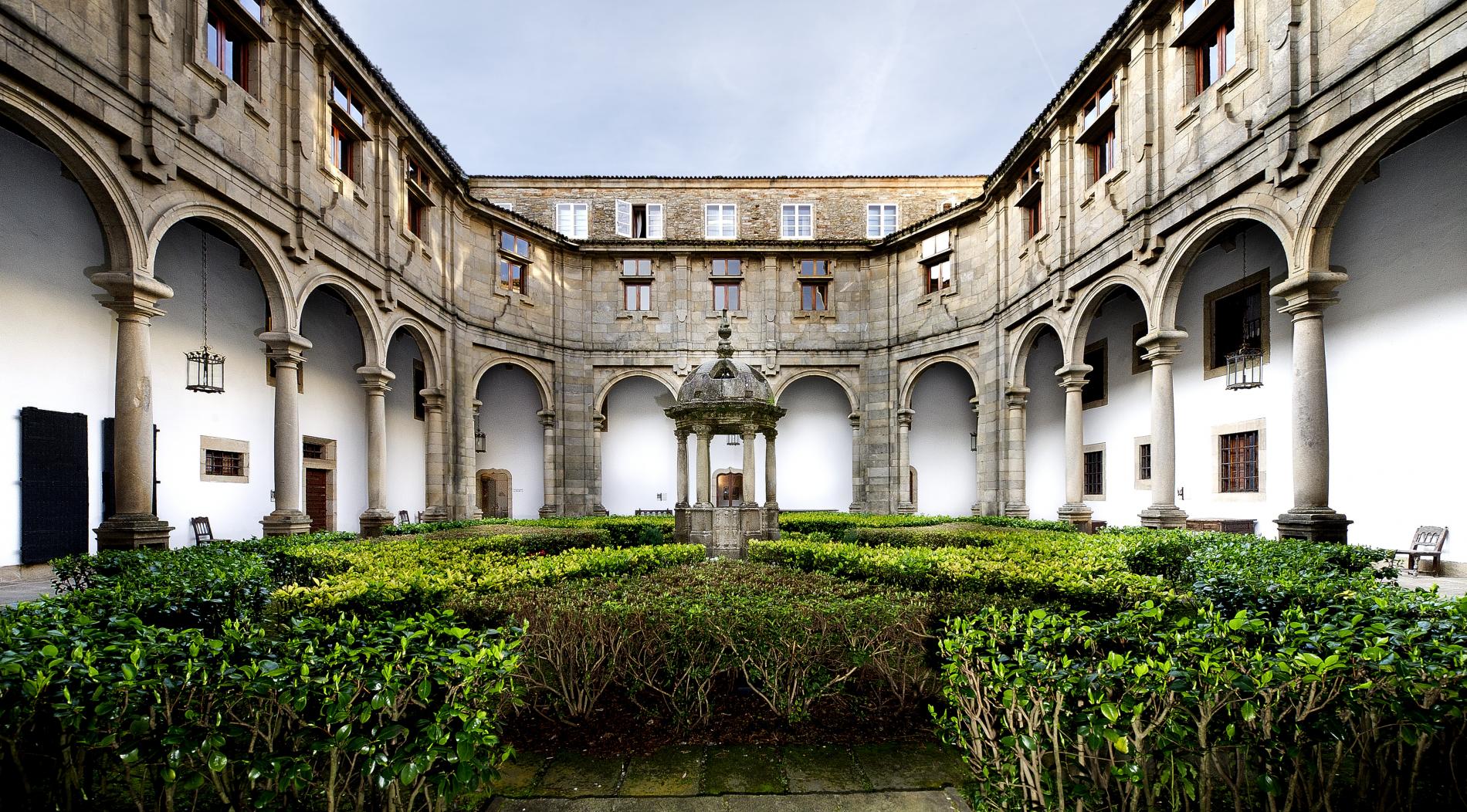
Parador de Santiago de Compostela, Galicia
The Oldest Hotel in the World
Founded in 1499 as a royal hospital for pilgrims completing the Camino de Santiago, this Parador stands directly on the Plaza del Obradoiro, facing the cathedral itself.
With four cloisters, original stone staircases, and antique furnished rooms, staying here feels closer to inhabiting a living museum than a conventional hotel. Despite its scale, the atmosphere remains intimate and reflective.
The Enxebre restaurant, located in the former stables, is a destination on its own, known for refined Galician seafood rooted in regional tradition.
Convents and Monasteries Reimagined as Stays
Some of the most peaceful Paradores in Spain are former religious buildings. Converted monastery hotels and convent stays emphasize quiet, symmetry, and restraint. Interiors often retain cloisters, courtyards, and vaulted ceilings, creating a sense of stillness that resonates with travelers seeking slower, more reflective experiences.
Sleeping in a convent in Spain does not mean sacrificing comfort. Rooms are modernized discreetly, with natural materials, soft lighting, and minimal decoration that respects the original architecture. These stays appeal especially to travelers drawn to calm environments and intentional design.
Design, Comfort, and the Experience of Staying
Design within Paradores is purposeful rather than ornamental. Original architectural features are preserved and highlighted, while modern additions remain subtle. Furniture tends toward classic forms, neutral palettes, and natural textures, allowing the building itself to remain the focal point.
Comfort is quietly prioritized. Rooms are spacious, sound insulated, and often feature views tied directly to the surrounding landscape or historic center. Dining is also a central part of the experience, with regional cuisine served in settings that reinforce local identity.
Price Range and Value Perspective
Paradores are often more accessible than travelers expect. Prices typically fall into the mid to upper range, especially considering the uniqueness of the properties. When compared to boutique luxury hotels offering less context, Paradores in Spain provide strong value for travelers interested in luxury heritage hotels in Spain.
Rates vary by location and season, with inland and lesser known destinations often offering excellent value outside peak summer months.
Who These Stays Are Best For
Paradores are ideal for travelers who value atmosphere, history, and sense of place. They appeal to couples seeking romantic getaways in Spain, solo travelers drawn to cultural depth, and anyone looking for hotels with history in Spain that feel genuine rather than curated.
They are less suited for travelers seeking nightlife centered experiences or highly serviced resort environments.
Booking Tips and Timing
Spring and fall are generally the best times to stay at Paradores in Spain, offering pleasant weather and fewer crowds. Popular properties book well in advance, especially those tied to pilgrimage routes or historic centers.
Using visual planning tools like Desti (www.desti.site) can help travelers explore Paradores by location and atmosphere rather than filtering purely by price or star rating. Seeing the setting before booking often makes it easier to choose a property that aligns with your travel style.
A Thoughtful Way to Stay in Spain
Paradores in Spain represent a rare balance between preservation and accessibility. They allow travelers to inhabit history rather than observe it from a distance. In a landscape increasingly shaped by standardized hospitality, these stays offer something quietly radical: the chance to sleep inside the story of the place itself.
For travelers who believe where you stay shapes how you experience a destination, Paradores remain one of Spain’s most meaningful accommodation choices.
Leave a Reply